
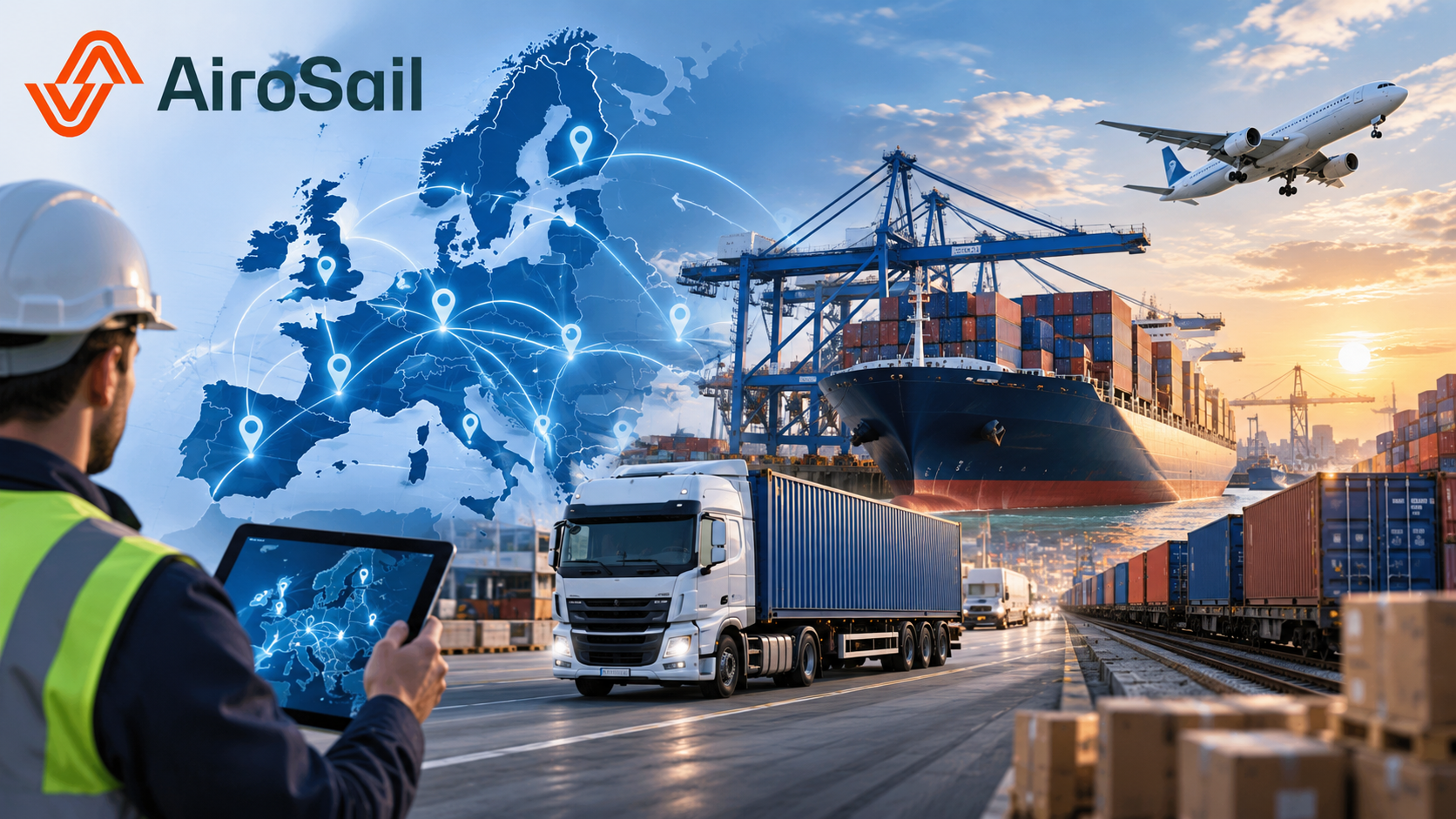
You have goods to move. They must reach a buyer in Europe. The clock is ticking. Your first big choice is how to send them. Will it be road, rail or sea? Each one has strengths. Each one has limits. The wrong pick can cost you time and money. It can also upset your customers. The right pick can do the opposite. It can save cash and keep your promises. This guide breaks down the three options in plain words. You will see how they differ. You will also learn how to pick the best fit for your cargo and budget.
Why Your Choice of Transport Matters
Moving goods is not just about getting from A to B. It shapes your costs, your speed and your risk. A fast route may be dear. A cheap route may be slow. A slow route may tie up your stock for weeks. That hurts cash flow. It can also leave your shelves bare. Good European freight forwarding starts with a clear match between your goods and the route. Think about what you ship, how much, and how soon it must arrive. A pallet of fresh food has different needs than a crate of steel parts. Once you know your priorities, the choice gets much easier.
Road Freight: Fast, Flexible and Direct
Road is the most used option in Europe. It is also the easiest to understand. A lorry collects your goods from your door. It drives them to the buyer’s door. There is no need to change vehicles on the way. That means less handling and less risk of damage. Road is also quick for short and medium trips. A load can leave the UK and reach France, Germany or Spain in a few days. You can ship a single pallet or a full trailer. Prices are fair for most loads. Road also gives you great control. You can change a pickup time or add a stop with little fuss. The downsides are clear too. Traffic, border queues and driver rules can cause delays. Fuel costs rise and fall. Still, for most European freight services, road is the first choice.
Rail Freight: Steady, Green and Good for Bulk
Rail is less common for UK firms, but it is growing. Trains run on fixed times. They are not stuck in traffic. They carry large loads over long distances. This makes them ideal for heavy goods such as metals, cars and bulk materials. Rail is also kinder to the planet. A train gives off far less carbon per tonne than a lorry. That matters to many buyers today. Some firms must report their emissions. Rail can help them meet those goals. There are limits, though. Trains only run between set terminals. Your goods may need a lorry at each end. That adds steps and cost. Rail also suits large, regular loads best. If you ship small, one-off parcels, it may not fit. But for the right cargo, rail is a strong and steady choice.
Sea Freight: Low Cost for Big Loads
Sea is the cheapest way to move large amounts of cargo. Ships carry thousands of containers at once. That keeps the cost per item low. For the UK, short sea routes link ports like Felixstowe, Tilbury and Southampton with Rotterdam, Antwerp and Hamburg. They suit goods that are heavy, bulky or not in a rush. Sea is also good for routes to places such as Ireland, Scandinavia and the Mediterranean, where road trips would be long. The trade-off is time. Ships keep to sailing dates. If you miss one, you wait. Port delays and bad weather can also slow things down. You need to plan. Your goods must reach the port early. They must also clear customs on both sides. Sea is not for urgent orders, but it saves a lot on bulk freight.
Comparing Speed, Cost and Risk
Let us look at the three side by side. Road wins on speed for short trips and on door-to-door ease. Rail wins on green credentials and on heavy loads over long distances. Sea wins on price for large volumes. Each has a weak spot too. Road can face jams and border waits. Rail has fewer routes and set timetables. Sea is slow and tied to sailing dates. Risk also differs. Road involves fewer touchpoints, so damage is less likely. Sea and rail often involve more lifts and transfers. That can raise the chance of harm. None of these options is best for everyone. The best choice depends on your goods, your deadline and your budget.
When a Mix of Modes Works Best
You do not have to pick only one. Many shipments use more than one mode. This is called multimodal transport. For example, your goods might go by lorry to a UK port. Then they cross the sea. Then another lorry takes them the last leg. Or a container might travel by rail across Europe and finish by road. A mix can cut costs while keeping delivery times fair. It can also lower emissions. Planning such a route takes skill. The handovers must be smooth. The timing must line up. The papers must be right at every stage. This is where an expert partner helps most. They link each step so your cargo flows without gaps.
Customs and Paperwork Across Every Mode
No matter which route you pick, customs rules apply. Since Brexit, goods moving between the UK and the EU face checks. You need correct invoices, tariff codes and export forms. Some goods need licences or special permits. A small error can hold up your cargo for days. This is true for road, rail and sea alike. Sea freight may add port fees. Rail may need extra rail documents. Road may require transit papers. Many firms find this part the hardest. A skilled forwarder checks your papers before the goods leave. They file entries on time. They also keep you up to date on rule changes. Clean paperwork keeps your cargo moving, whatever the mode.
How Airo Sail Ltd Helps You Choose
Airo Sail Ltd helps you pick the right route for every job. The team starts by asking questions. What are you shipping? How heavy is it? When must it arrive? What is your budget? Then they compare road, rail and sea for your needs. They explain the trade-offs in simple terms. You see the cost and the time for each choice. They also handle the paperwork and keep you updated along the way. If plans change, they adjust fast. Whether you send a single pallet or a full container, the aim is the same. Your goods should arrive safe, on time and at a fair price. With Airo Sail Ltd, you get clear advice and calm support.
How to Pick the Best Partner
Choosing the right route is only half the job. You also need the right partner. Look for firms with real experience in Europe. Ask which routes they run most often. Check that they hold the right licences. Request a full quote with each charge listed. Ask how they track goods and how fast they reply to questions. Read reviews and ask for references. Strong international freight forwarding companies are open about costs and risks. They give plain answers. They do not hide behind jargon. If a firm is vague now, it will be vague when trouble strikes. Pick a team that is clear, quick and easy to reach.
Conclusion
So, which is best: road, rail or sea? The honest answer is that it depends. Road is fast and flexible. Rail is steady and green. Sea is cheap for big loads. Often, a mix of the three gives the best result. The key is to match the route to your goods, your deadline and your budget. Good European freight forwarding makes that match easy. Reliable European freight services keep your cargo moving smoothly across borders. And the best international freight forwarding companies guide you at every step. A team such as Airo Sail Ltd can help you plan the right route and ship with confidence. Start with your goals. Choose the mode that fits. Then let the experts do the heavy lifting.