
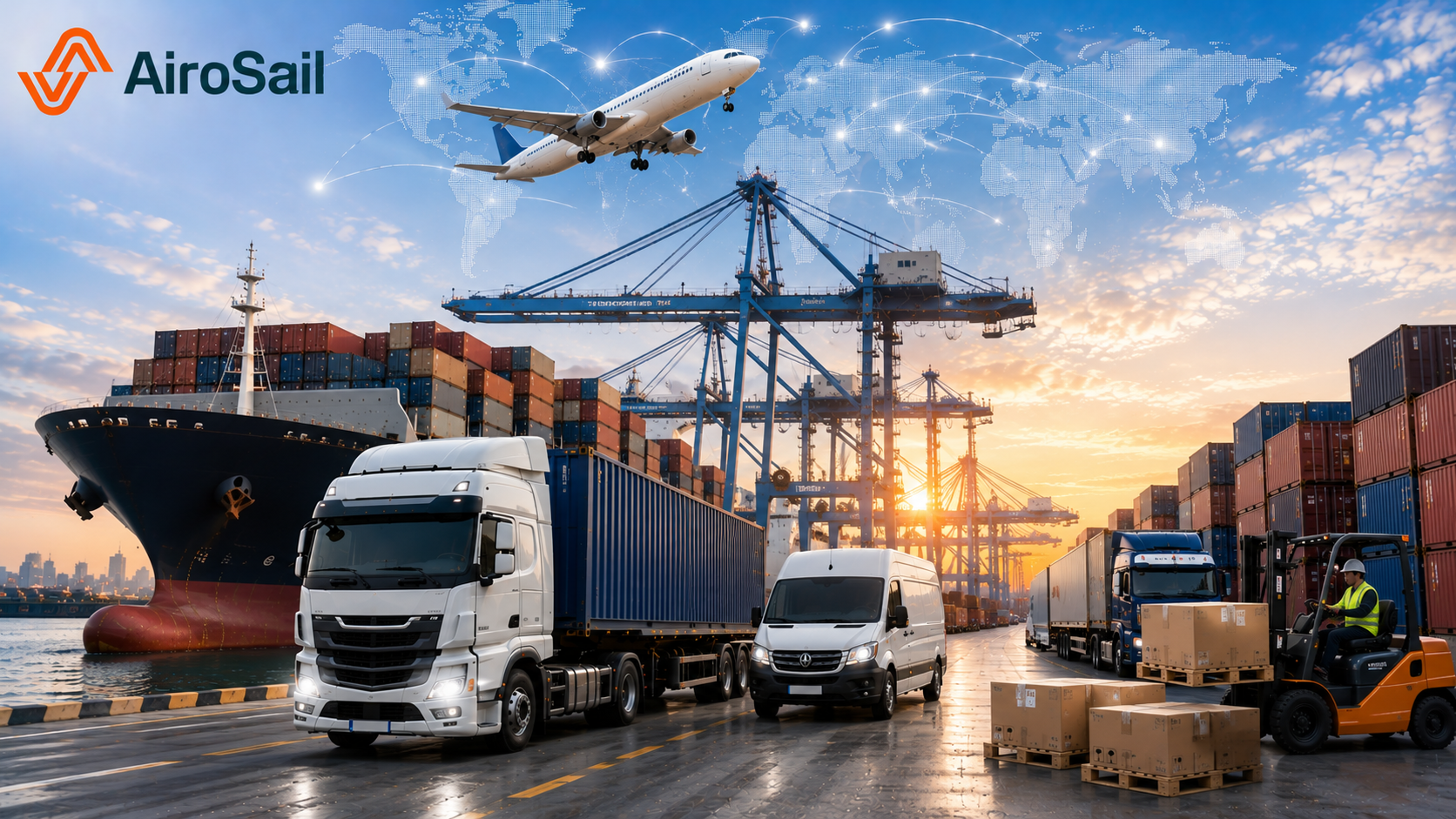
You pack your goods. A lorry arrives. A few days later, a buyer in another country opens the box. It looks simple from the outside. It is not. Between those two moments, your cargo passes through many hands. Forms are filed. Fees are paid. Rules are checked. Each step must happen in the right order. One slip can cause a long delay. Let us walk through the whole trip, step by step. You will see what happens behind the scenes and where the real work lies.
Step One: The Quote and the Plan
Every shipment begins with a question. What are you sending, and where does it need to go? You share the size, weight, value and deadline. The forwarder then builds a plan. They pick the best mode of transport. They check the route and the likely costs. They also look for risks, such as banned items or busy ports. Then they send you a quote. A good quote lists every charge. It should have no hidden extras. Many international freight forwarding services start here, because a clear plan saves money later. Ask questions at this stage. Make sure you know what is included and what is not. A few minutes now can prevent a costly shock down the line.
Step Two: Collection from Your Door
Once you accept the quote, the forwarder books a pickup. A driver arrives at your site at a set time. They check the goods against the paperwork. They count the boxes and look for damage. They load the cargo with care and secure it for the road. If you ship a small parcel, it may join a shared load. If you ship a large order, it may get a full lorry. Either way, the driver gives you a receipt. This is proof that the goods left your hands in good order. It matters if a claim is needed later. Good pickup service sets the tone for the whole trip.
Step Three: Packing, Labels and Documents
Before the cargo crosses a border, it must be ready. Packing must suit the route. A sea trip is rough. An air trip has strict weight limits. Fragile items need padding. Heavy goods need strong pallets. Labels must be clear and correct. Next come the documents. These usually include a commercial invoice, a packing list and a transport document. Some goods need extra papers, such as licences or health certificates. Every detail must match. A wrong weight or a vague description can raise flags. Leading international freight forwarding companies check all of this before the cargo moves. They fix errors early, when they are cheap and easy to correct.
Step Four: Export Customs Clearance
Next, the goods must leave your country legally. This is called export clearance. The forwarder files a declaration with customs. It lists what you ship, what it is worth and where it is going. Each product has a tariff code. The right code matters, because it affects duty and checks. Officials may review the file. They may inspect the cargo. Once they approve, the goods are free to go. Many sellers dread this step. Rules are complex, and they change often. A forwarder handles it daily. They know what officials expect. That knowledge keeps your cargo moving and keeps you safe from fines.
Step Five: The Main Journey
Now the long part begins. The cargo travels by air, sea, road or rail. Each mode has its own rhythm. Air is quick but costs more. Sea is cheaper but slower. Road works well across Europe. Rail links some routes between Europe and Asia. Often the trip uses more than one mode. Goods might go by lorry to a port, then by ship, then by lorry again. The forwarder books space on each leg and keeps them in sync. If a ship runs late, they adjust the next step. This is where their carrier ties pay off. They can find space when others cannot, even in a busy season.
Step Six: Ports, Hubs and Transit Stops
Along the way, cargo often stops at ports, airports or depots. Here it may be unloaded, sorted and stored. Containers are checked and stacked. Pallets may be split or joined with others. Goods can wait a few hours or a few days. This is a risky phase, because every move adds a chance of harm. Safe storage and careful handling are vital. Good forwarders use trusted terminals with strong security. They also watch for delays caused by storms, strikes or crowding. If a problem appears, they look for a fix. That may mean a new route or a different carrier. The aim is to keep your goods moving.
Step Seven: Import Customs at the Destination
When the cargo reaches the destination country, it must clear customs again. This is import clearance. The papers are checked once more. Duty and tax must be paid. Officials may ask for extra details. They may also inspect the load. If anything is missing, the goods can be held. Storage fees then start to build. This is where many shipments get stuck. A forwarder with a strong overseas agent can solve problems fast. The agent knows the local rules and the local staff. Many freight companies UK businesses use such partners because a good link at the far end matters as much as a good start at home.
Step Eight: The Final Leg to the Door
Once customs releases the goods, the last stage begins. A local carrier collects the cargo from the port or hub. They deliver it to the buyer’s address. The buyer or a staff member signs for it. A good forwarder books a time slot, so no one is left waiting. They also check for access issues, such as narrow roads or loading rules. Large items may need a tail-lift or extra hands. After delivery, the driver collects proof of delivery. This closes the loop. It confirms that the goods arrived as planned. For you, it marks the end of the trip and the start of payment.
Tracking and Updates Along the Way
Throughout the trip, you should never be left in the dark. Modern forwarders give you tracking tools. You can see when the goods are collected, when they sail and when they clear customs. Alerts tell you when something changes. But data alone is not enough. You also need a person to call. When a delay happens, a real contact can explain why and offer a fix. This mix of tech and human care keeps stress low. It also lets you update your own customers with confidence. Good news and bad news both arrive early. That gives you time to act.
How Airo Sail Ltd Manages the Journey
Airo Sail Ltd looks after each stage of the trip, from pickup to delivery. The team begins by learning about your goods and your needs. They then plan the route, prepare the papers and book the carriers. They handle customs on both sides. They also keep you posted at each step. If a problem arises, they act quickly and explain the options in plain words. Whether you send one pallet or many containers, your cargo gets the same care. The aim is simple. Your goods should arrive safe, on time and at a fair price. With Airo Sail Ltd, you have one partner for the whole journey.
What You Can Do to Help
A smooth trip is a team effort. You can help by giving full and correct details. Describe your goods clearly. State the true value. Share the delivery address and a contact number. Pack well and label every box. Send documents early. Tell your forwarder about any special needs, such as cold storage or tight deadlines. Ask for updates when you need them. The more your forwarder knows, the better they can plan. Small acts on your side can save days on the road. They also lower the chance of extra fees.
Conclusion
A door-to-door shipment is more than a ride. It is a chain of linked tasks. There is a quote, a pickup, packing, paperwork and export clearance. Then comes the main journey: a stop at transit hubs, import clearance and final delivery. Each link must hold. If one breaks, the whole chain suffers. International freight forwarding services tie these links together, so you do not have to. The best international freight forwarding companies act as true partners. They plan, track and solve problems before they grow. If you ship from Britain, choose trusted freight companies UK with a proven record. A team such as Airo Sail Ltd can guide your cargo from your door to your buyer’s door. Plan early, choose well and ship with confidence.