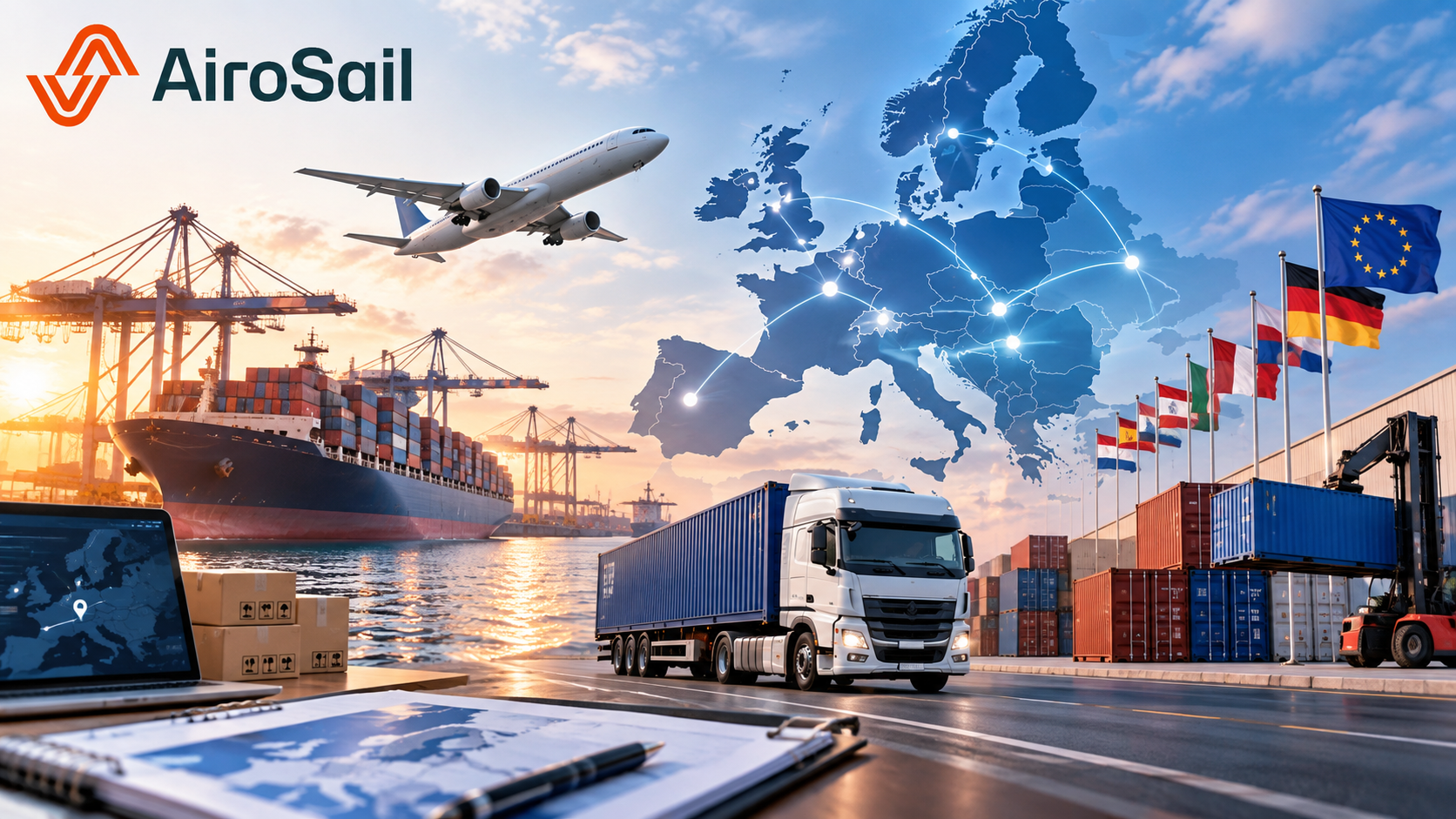
The Role of Freight Forwarders UK in Modern Supply Chain Management

Modern supply chains connect businesses with suppliers, manufacturers, distributors, retailers, and customers across multiple countries. While international trade creates valuable opportunities for growth, moving goods across borders also involves transportation planning, documentation, customs procedures, carrier coordination, delivery scheduling, and risk management. For many businesses, managing all these activities internally can become complex and time-consuming.

This is where freight forwarders UK play an important role. Freight forwarders help businesses coordinate the movement of goods from one location to another by managing transportation arrangements and working with carriers, customs professionals, warehouses, and other logistics partners. Their role extends beyond simply arranging cargo transportation. They can become an important part of a company’s wider supply chain management strategy.

For UK importers, exporters, manufacturers, wholesalers, retailers, and e-commerce businesses, professional freight forwarding services UK can provide structured support for domestic and international shipments. By coordinating different elements of the logistics process, freight forwarders can help businesses improve shipment planning, communication, documentation, and visibility.

What Are Freight Forwarders UK?

A freight forwarder is a logistics specialist that arranges the transportation of goods on behalf of a business or other customer. Unlike a carrier, which physically transports cargo using its own or contracted transport capacity, a freight forwarder typically coordinates transportation by working with carriers and other logistics providers.

The responsibilities of a freight forwarder can vary depending on the shipment and service agreement. They may coordinate:

  • Transportation bookings
  • Shipping documentation
  • Customs-related processes
  • Cargo consolidation
  • Warehousing and distribution
  • Shipment tracking
  • Delivery arrangements
  • Communication between different logistics parties

Professional UK freight forwarders can therefore act as a central point of coordination between businesses and the various organisations involved in moving cargo internationally.

For companies dealing with overseas suppliers or customers, working with experienced freight forwarding companies UK can simplify the logistics process and reduce the administrative burden associated with international shipments.

The Changing Nature of Modern Supply Chain Management

Supply chain management has become increasingly interconnected. Businesses may source raw materials from one country, manufacture products in another, store inventory in a third location, and sell to customers across several international markets.

Several factors have contributed to this increasing complexity.

Global Sourcing

Businesses increasingly work with international suppliers to access products, materials, components, and manufacturing capabilities. This means supply chains may involve multiple borders and transportation stages.

Growth of E-Commerce

E-commerce has changed customer expectations around product availability, order processing, and delivery. Businesses must coordinate inventory and transportation effectively to meet customer requirements while managing costs.

Complex Customs Requirements

International shipments involve customs procedures and documentation. Incorrect or incomplete information can create delays and additional administrative challenges.

Multiple Transportation Modes

Modern international logistics can involve sea, air, road, and rail transportation. Selecting and coordinating appropriate modes is an important part of supply chain planning.

Demand for Shipment Visibility

Businesses increasingly want to know where their goods are, when they were dispatched, and when they are expected to arrive. Better visibility supports inventory planning and customer communication.

Supply Chain Disruptions

Port congestion, transportation disruptions, weather events, regulatory changes, capacity constraints, and unexpected delays can affect international logistics. Businesses therefore need flexible supply chain strategies and contingency planning.

These factors have increased the importance of professional international freight forwarding UK services.

Key Roles of Freight Forwarders in Supply Chain Management

Transportation Planning

One of the most important roles of freight forwarders is helping businesses organise suitable transportation arrangements.

The appropriate transport method can depend on factors such as:

  • Cargo type
  • Shipment size
  • Destination
  • Required delivery timeframe
  • Budget
  • Product sensitivity
  • Origin and destination infrastructure

A freight forwarder can coordinate available options and help businesses select transportation arrangements appropriate to their requirements.

Depending on the shipment, this may involve sea freight UK, air freight UK, road transportation, rail, or a combination of different modes.

Multimodal Freight Coordination

International shipments do not always rely on one transportation method. A shipment might travel by road from a supplier to a port, by sea to another country, and then by road to its final destination.

Freight forwarders can coordinate these different stages and communicate with the relevant transport providers.

Multimodal transportation may provide businesses with greater flexibility when planning international logistics, particularly when different parts of a journey have different transportation requirements.

Customs Clearance and Documentation

Documentation is a critical part of international shipping. Depending on the shipment, businesses may need to provide commercial invoices, packing information, transport documents, customs declarations, and other relevant paperwork.

Customs clearance UK requirements can also vary according to the goods, origin, destination, applicable regulations, and trade arrangements.

Freight forwarders can support businesses by coordinating documentation and customs-related processes and helping ensure that the information required for a shipment is properly prepared.

Businesses should still understand their own legal and regulatory responsibilities, but professional logistics support can make the process easier to manage.

Shipment Consolidation

Not every business needs to move full loads. Smaller consignments can sometimes be consolidated with other compatible shipments, depending on the transportation arrangement.

Cargo consolidation can help businesses organise smaller shipments efficiently while reducing the need to arrange separate transportation for every consignment.

This can be particularly relevant for SMEs, wholesalers, retailers, and businesses that do not regularly ship large volumes.

Cargo Tracking and Visibility

Visibility has become an important part of modern supply chain management.

Businesses need reliable information about shipment progress so they can coordinate inventory, production, customer communication, and delivery planning.

Modern freight forwarding services may provide shipment status updates through digital systems, online platforms, email communication, or other tracking methods.

Better visibility can help businesses identify potential delays earlier and make more informed operational decisions.

Warehousing and Distribution Coordination

Freight forwarding can also connect transportation with warehousing and distribution requirements.

For example, a business may need goods collected from an international supplier, transported to the UK, stored temporarily, and then distributed to different customers or retail locations.

Freight forwarders can coordinate with warehouses, distribution partners, and transport providers to help organise these stages.

This integrated approach can be particularly useful for businesses with complex distribution networks.

Risk Management

International transportation involves various risks. These may include:

  • Transportation delays
  • Port congestion
  • Documentation errors
  • Customs issues
  • Cargo damage
  • Capacity shortages
  • Route disruptions
  • Weather-related interruptions

Freight forwarders can help businesses plan transportation routes, coordinate different logistics providers, monitor shipments, and develop practical alternatives when disruptions occur.

Although no logistics provider can eliminate every supply chain risk, structured planning and communication can help businesses respond more effectively when problems arise.

How Freight Forwarders UK Improve Supply Chain Efficiency

Professional freight forwarders UK can support supply chain efficiency in several ways.

Instead of a business independently communicating with shipping lines, airlines, hauliers, customs-related service providers, warehouses, and delivery partners, a freight forwarder can coordinate many of these activities through one logistics relationship.

Potential operational benefits include:

  • Better shipment planning
  • Reduced administrative workload
  • More organised documentation
  • Improved communication
  • Easier coordination between transport providers
  • Greater shipment visibility
  • More structured delivery planning
  • Better use of internal resources

For SMEs in particular, outsourcing certain logistics responsibilities can allow internal teams to focus more closely on procurement, sales, production, customer service, and business growth.

The Role of Technology in Modern Freight Forwarding

Technology is transforming the way freight forwarding and international logistics are managed.

Digital freight management systems can support areas such as shipment tracking, document management, communication, reporting, and transportation planning.

Some modern logistics operations use technologies including:

  • Digital shipment tracking
  • Online documentation
  • Automated status notifications
  • Transportation management systems
  • Digital customs processes
  • Data analytics
  • Electronic communication platforms

For customers, technology can make it easier to access shipment information and communicate with logistics providers.

For freight forwarders, digital tools can help organise large amounts of shipment information and coordinate multiple logistics activities more efficiently.

However, technology works most effectively when combined with experienced logistics management. Digital visibility does not replace the need for knowledgeable people who can respond to operational issues and coordinate solutions.

Freight Forwarders and Supply Chain Resilience

Supply chain resilience refers to a business’s ability to prepare for, respond to, and recover from disruptions.

For companies involved in international trade, resilience can involve several areas of logistics planning.

Businesses can strengthen their supply chain approach by considering:

  • Alternative transportation routes
  • Multiple transportation modes
  • Flexible delivery arrangements
  • Supplier coordination
  • Shipment visibility
  • Contingency planning
  • Clear communication procedures

Freight forwarders can support these activities by providing transportation options and coordinating logistics partners when circumstances change.

For example, if a particular route becomes unavailable or a shipment experiences an unexpected delay, a logistics provider may help explore alternative transportation arrangements where available.

This makes freight forwarding an important component of broader supply chain management UK strategies.

Choosing the Right Freight Forwarding Company in the UK

Selecting a freight forwarding partner requires careful consideration. Businesses should look beyond price and evaluate whether the provider can meet their operational requirements.

Important factors to consider include:

Industry Experience

Consider whether the freight forwarder understands your industry, cargo requirements, destinations, and typical logistics challenges.

International Network

International shipping often involves multiple countries and logistics partners. A provider with appropriate international connections can help coordinate different stages of a shipment.

Range of Services

Businesses may benefit from a freight forwarder offering multiple options, including air, sea, road, multimodal transportation, customs support, and related logistics services.

Customs Knowledge

Understanding customs processes is particularly important for international shipments. Ask about the provider’s experience with the destinations and types of goods you regularly handle.

Communication

Clear communication can make a significant difference when shipments change or unexpected issues arise. Businesses should consider how the provider communicates shipment updates and handles queries.

Tracking Capabilities

Shipment visibility can help businesses plan inventory and communicate with customers. Ask what tracking and reporting options are available.

Documentation Support

Accurate documentation is essential for international shipping. A capable logistics partner should have established processes for managing relevant shipping information.

Reliability and Customer Service

Businesses should consider references, service processes, communication standards, and the provider’s ability to support their particular logistics requirements.

For companies seeking professional international logistics UK support, Airo Sail Ltd can provide freight forwarding and logistics solutions designed around the practical requirements of businesses moving goods internationally.

Why Freight Forwarders Are Important for UK Importers and Exporters

For UK businesses involved in international trade, logistics is an important part of commercial operations. Delays, documentation problems, poor communication, or transportation issues can affect inventory availability, production schedules, customer relationships, and overall business planning.

Working with professional freight forwarding specialists can help businesses coordinate the many activities involved in international transportation.

This is particularly valuable for:

  • UK importers
  • Exporters
  • Manufacturers
  • Wholesalers
  • Retailers
  • E-commerce businesses
  • Procurement teams
  • Distributors
  • Businesses entering international markets

Rather than managing every transportation arrangement independently, businesses can work with a logistics partner that understands international shipping processes and can coordinate different elements of the journey.

For growing businesses, this support can become an important part of building a more organised and scalable logistics operation.

Conclusion

The role of freight forwarders UK has evolved significantly as supply chains have become more international, interconnected, and technology-driven. Modern freight forwarding involves much more than arranging transportation. It can include shipment planning, carrier coordination, documentation, customs support, cargo consolidation, tracking, warehousing coordination, and risk management.

For UK businesses involved in importing or exporting, the right freight forwarding partner can provide practical support throughout the logistics process. By coordinating different transportation modes and logistics activities, freight forwarders can help businesses manage international shipping with greater structure and visibility.

Airo Sail Ltd supports businesses looking for professional freight forwarding and international logistics solutions. Whether you are an importer, exporter, manufacturer, retailer, wholesaler, or e-commerce business, understanding your logistics requirements is the first step towards developing an efficient transportation strategy.

Looking for dependable freight forwarding support? Contact Airo Sail Ltd to discuss your international shipping, cargo transportation, and logistics requirements and explore a solution suited to your business.

Frequently Asked Questions

1. What do freight forwarders UK do?

Freight forwarders UK coordinate the transportation of goods on behalf of businesses. Their services may include transportation planning, carrier coordination, documentation, customs support, cargo consolidation, tracking, warehousing coordination, and delivery arrangements.

2. Why are freight forwarders important for supply chain management?

Freight forwarders help coordinate different activities involved in moving goods internationally. This can reduce administrative complexity, improve communication, support shipment visibility, and help businesses organise transportation more efficiently.

3. How do UK freight forwarders support international shipping?

UK freight forwarders can coordinate air, sea, road, rail, or multimodal transportation depending on the shipment. They may also support documentation, customs processes, cargo tracking, and delivery coordination.

4. Can freight forwarders help with customs clearance?

Many freight forwarders provide customs-related support or coordinate with customs specialists. Businesses should confirm the exact customs services offered by their chosen provider and understand their own import and export responsibilities.

5. What types of freight can UK freight forwarders handle?

Depending on the provider, freight forwarders may handle commercial cargo transported by air, sea, road, rail, or multimodal services. Specific capabilities can vary according to cargo type, size, destination, and regulatory requirements.

6. How do freight forwarders improve supply chain visibility?

Freight forwarders can provide shipment tracking, status updates, documentation information, and communication throughout the transportation process. These tools can help businesses monitor shipments and plan their operations.

7. How can businesses choose the right freight forwarding company in the UK?

Businesses should consider industry experience, international coverage, transportation options, customs knowledge, communication, tracking capabilities, documentation support, customer service, and the provider’s ability to handle their specific cargo requirements.

8. Do freight forwarders handle air, sea, and road freight?

Many freight forwarding companies coordinate multiple transportation modes, including air freight, sea freight, and road freight. The available services depend on the provider and the specific requirements of each shipment.

9. How do freight forwarders help reduce supply chain risks?

Freight forwarders can support risk management through transportation planning, route coordination, shipment monitoring, alternative logistics arrangements, and communication when disruptions occur. They cannot eliminate every supply chain risk.

10. Why should UK businesses use professional freight forwarding services?

Professional freight forwarding services can help businesses manage the complexity of international transportation, documentation, customs processes, carrier coordination, and shipment tracking while allowing internal teams to focus on their core business activities.


How Freight Forwarders UK Help Simplify International Import and Export

International trade creates significant opportunities for UK businesses, but moving commercial goods across borders involves far more than arranging transport. Importers and exporters must manage carriers, routes, documentation, customs procedures, cargo handling, delivery schedules and changing international requirements.

This is where freight forwarders UK play an important role. A professional freight forwarder coordinates different parts of the transportation process, helping businesses move goods between suppliers, warehouses, ports, airports and final destinations more efficiently.

Whether a company imports raw materials, exports manufactured products, or ships e-commerce orders internationally, the right logistics partner can simplify complex processes and provide greater visibility over shipments.

What Are Freight Forwarders?

A freight forwarder is a logistics specialist that arranges and coordinates the movement of goods from one location to another. Rather than necessarily operating every vehicle, vessel or aircraft themselves, freight forwarders work with carriers, customs professionals, warehouses, ports and other logistics providers.

In practical terms, a freight forwarder can act as a central point of coordination for an international shipment.

Depending on the shipment and service agreement, freight forwarding companies UK may assist with:

  • Transport planning and carrier selection
  • Route planning
  • Booking cargo space
  • Shipment documentation
  • Cargo consolidation
  • Warehousing and storage
  • Customs-related coordination
  • Cargo handling
  • Shipment tracking
  • Delivery scheduling
  • Multimodal transportation

This coordination is particularly valuable when shipments cross multiple borders or involve several transportation providers.

Why International Import and Export Can Be Complex

International shipping UK involves numerous moving parts. A shipment may travel by road from a supplier to a port, by sea to another country, by road again to a distribution centre and finally to the customer’s premises.

At every stage, there can be different requirements and potential complications.

Common challenges include:

Multiple Transportation Providers

International cargo may require several carriers. Coordinating different companies, collection times and handover points can become difficult without a central logistics coordinator.

Import and Export Documentation

Commercial invoices, packing lists, transport documents, customs declarations and certificates may all be relevant depending on the shipment.

Errors or missing information can cause administrative problems and potentially delay the movement of goods.

Customs Requirements

Goods entering or leaving countries can be subject to customs procedures, duties, taxes, restrictions and documentation requirements. Requirements can also differ depending on the commodity and destination.

Changing International Requirements

International trade regulations and operational requirements can change. Businesses therefore need to ensure that their shipping processes and documentation remain appropriate for the markets they serve.

Unexpected Delays

Weather, congestion, capacity constraints, operational disruption and documentation issues can affect transportation schedules.

Professional freight forwarding services UK help businesses prepare for these variables and coordinate responses when problems occur.

How Freight Forwarders UK Simplify International Shipping

The main value of professional freight forwarding is coordination.

Instead of a business independently communicating with multiple carriers, warehouses and logistics providers, a freight forwarder can coordinate the different stages of the shipment.

1. Shipment Planning

A freight forwarder first considers the nature of the cargo, origin, destination, required delivery timeframe and transportation requirements.

This information helps determine an appropriate logistics plan.

For example, a business shipping large volumes of non-urgent goods may consider sea freight, while time-sensitive cargo may require air freight. Road transportation may be appropriate for domestic or European movements, while multimodal solutions can combine several transport methods.

2. Carrier Coordination

Freight forwarders work with transportation providers to arrange cargo movement.

This can include booking available capacity, coordinating collection and delivery schedules, and managing communication between different parties involved in the shipment.

3. Route Planning

The most suitable route depends on several factors, including destination, cargo characteristics, urgency, available services and cost considerations.

Experienced UK freight forwarders can assess available options and coordinate routes designed around the business’s requirements.

4. Cargo Consolidation

Where appropriate, smaller shipments may be consolidated with other compatible cargo. Consolidation can help businesses use transportation capacity more efficiently, although suitability depends on the cargo and service requirements.

5. Documentation Coordination

Freight forwarders can help businesses organise the documents needed for transportation and customs processes, reducing the risk of administrative oversights.

6. Warehousing and Delivery Coordination

Some freight logistics services also include temporary storage, cargo handling, order preparation and final-mile delivery arrangements.

This can be particularly useful for businesses that do not have extensive logistics infrastructure of their own.

7. Shipment Tracking

Modern logistics operations increasingly rely on shipment visibility. Tracking and status updates can help businesses understand where cargo is within the transportation process and plan receiving, inventory and customer fulfilment activities accordingly.

Managing Import and Export Documentation

Documentation is one of the most important aspects of international freight.

Depending on the shipment, businesses may need documents such as:

  • Commercial invoices
  • Packing lists
  • Bills of lading
  • Air waybills
  • Certificates of origin
  • Customs declarations
  • Import or export licences where applicable
  • Product-specific certificates or supporting documentation

The exact requirements depend on factors such as the goods, origin, destination, trading arrangements and applicable regulations.

Freight forwarders can help businesses understand which documents may be required and coordinate the information needed by carriers, customs representatives and other parties.

Accurate information is particularly important because incorrect descriptions, quantities, values or classifications can create avoidable complications.

Businesses should still retain responsibility for providing accurate commercial and product information and should obtain specialist advice where regulatory requirements are complex.

Supporting Customs Clearance

Customs clearance UK is an important part of international trade.

Freight forwarders can support the administrative and logistical side of customs processes by helping organise documentation, coordinating with customs brokers or agents where appropriate, and ensuring that shipment information is communicated to the relevant parties.

However, freight forwarding does not mean that every shipment will automatically clear customs without delay. Customs authorities may inspect cargo, request additional information or apply requirements based on the nature of the goods and applicable regulations.

Businesses should therefore work with experienced logistics providers while ensuring that their own commercial and regulatory information is accurate and complete.

Choosing the Right Transportation Method

Different types of cargo require different transportation solutions. Freight forwarders can help businesses compare available options based on factors such as urgency, shipment volume, cargo type, destination and budget.

Sea Freight UK

Sea freight UK services are commonly used for larger or heavier shipments, particularly when delivery speed is less critical than transportation capacity and overall logistics planning.

Containerised shipping can support international trade across long distances and is widely used for commercial cargo.

Air Freight UK

Air freight UK services are generally suited to shipments where speed is a major consideration. They can be useful for time-sensitive goods, high-value products, samples and urgent replenishment.

Air freight typically involves higher transportation costs than sea freight, making careful evaluation important.

Road Freight UK

Road freight UK services provide flexible transportation for domestic movements and certain international routes. Road transport can also form an important part of multimodal supply chains by connecting warehouses, ports, airports and customers.

Multimodal Transportation

Some shipments require a combination of sea, air, road or rail transportation.

A freight forwarder can coordinate these stages so that cargo moves through the supply chain according to a planned logistics schedule.

Improving Shipment Efficiency and Visibility

Good logistics management is not simply about moving cargo from point A to point B. Businesses also need information.

Shipment visibility can help companies:

  • Prepare warehouses for incoming goods
  • Plan inventory levels
  • Coordinate customer deliveries
  • Identify potential disruptions
  • Communicate more accurately with customers
  • Organise receiving teams
  • Manage international orders more effectively

Having one logistics partner coordinating multiple transportation stages can also reduce the number of separate communications a business needs to manage.

For growing companies, this centralised approach can become particularly valuable as shipment volumes and international destinations increase.

Helping Businesses Manage International Shipping Risks

International logistics involves unavoidable risks, but effective planning can help businesses prepare for them.

Potential challenges include:

  • Port congestion
  • Weather disruption
  • Transportation delays
  • Documentation errors
  • Cargo handling issues
  • Capacity constraints
  • Route changes
  • Customs queries
  • Communication gaps between logistics providers

Experienced freight forwarding companies UK can help identify potential issues during shipment planning and coordinate alternative arrangements where feasible.

They can also provide communication between carriers and customers when circumstances change.

This does not eliminate international shipping risks, but it can make them easier to manage through structured planning and professional coordination.

Freight Forwarders UK and Supply Chain Management

Freight forwarding is closely connected to broader supply chain management.

For importers, reliable cargo movement affects inventory availability. For exporters, transportation performance can influence customer service and international market access.

Businesses expanding internationally may also need to coordinate:

  • Overseas suppliers
  • Distribution centres
  • Manufacturing facilities
  • Retail locations
  • E-commerce fulfilment
  • Inventory replenishment
  • Customer deliveries

A capable logistics provider can become part of this wider supply chain network, helping coordinate international movements while allowing the business to focus on its core operations.

For SMEs in particular, outsourcing elements of logistics can provide access to transportation networks and operational expertise without requiring them to build an extensive in-house freight department.

Benefits for UK Importers and Exporters

Working with experienced freight forwarders UK can provide several practical advantages.

Time Savings

A forwarder can coordinate multiple shipment activities, reducing the amount of time businesses spend managing individual logistics providers.

Better Coordination

Having a central logistics contact can make communication between carriers, warehouses, customs representatives and customers more straightforward.

Simplified Documentation

Freight professionals can help businesses organise shipping documentation and identify information that may be required for a particular movement.

Customs Support

Forwarders can coordinate customs-related processes and work with appropriate customs professionals where necessary.

Access to Multiple Transport Options

Businesses can evaluate sea, air, road and multimodal transportation according to their requirements.

Improved Shipment Visibility

Tracking and regular communication can provide greater awareness of shipment progress.

Greater Flexibility

Freight forwarding services can be adapted to different shipment sizes, destinations, schedules and supply chain requirements.

Support for International Expansion

As businesses enter new markets, logistics coordination becomes increasingly important. A freight forwarder can help companies establish practical transportation arrangements for international trade.

How to Choose a Reliable Freight Forwarder in the UK

Selecting a logistics provider should involve more than comparing headline prices. Businesses should assess the provider’s capabilities against their actual shipping requirements.

Consider the following factors:

Industry Experience

Look for a provider familiar with your cargo type, destinations and industry requirements.

International Network

A strong network of carriers, agents and logistics partners can be useful when managing international movements.

Range of Freight Services

Check whether the company can provide the services you need, such as sea freight, air freight, road freight, warehousing and multimodal transportation.

Customs Knowledge

International shipments can involve detailed customs requirements. Ask about the provider’s experience in supporting customs processes relevant to your trade lanes and products.

Communication

Clear communication is essential when shipments involve multiple countries and service providers.

Tracking Capabilities

Ask how shipment updates are provided and whether you will have access to tracking information.

Transparent Pricing

Understand what is included in the quoted price and ask about potential additional charges, including handling, storage, customs-related costs and destination charges where relevant.

Customer Support

International shipments can operate outside normal business hours, so consider how the provider handles urgent queries and unexpected disruptions.

Service Flexibility

Your logistics requirements may change as your business grows. A forwarder should be able to accommodate changing volumes, destinations and transportation needs where possible.

Reputation and Credentials

Check relevant industry credentials, customer feedback, experience and business history before selecting a logistics partner.

Frequently Asked Questions

What does a freight forwarder do in the UK?

A freight forwarder coordinates the transportation of goods between origins and destinations. Services can include carrier booking, route planning, documentation, customs coordination, cargo handling, warehousing, tracking and delivery arrangements.

How can freight forwarders help with international imports and exports?

They coordinate multiple aspects of international shipping, including transportation, documentation, cargo handling and communication between carriers and other logistics providers. This can simplify the process for importers and exporters.

Do UK freight forwarders handle customs clearance?

Many freight forwarders can support or coordinate customs-related processes, either directly or through customs agents and brokers. The exact service depends on the provider and shipment requirements. Customs authorities retain responsibility for customs decisions and controls.

What types of freight can UK freight forwarders manage?

Depending on the provider, freight forwarders can arrange sea freight, air freight, road freight and multimodal transportation. Some also specialise in particular cargo types, industries or international trade routes.

What is the difference between a freight forwarder and a shipping company?

A shipping company generally provides a specific transportation service, while a freight forwarder coordinates logistics across one or more carriers and transportation methods. A forwarder may therefore arrange shipping without operating the vessel, aircraft or truck itself.

How much do freight forwarding services in the UK cost?

Costs vary according to cargo volume, weight, dimensions, origin, destination, transportation method, service requirements and additional charges. Businesses should request detailed quotations that clearly identify included and excluded services.

Can freight forwarders arrange international door-to-door delivery?

Many freight forwarders can arrange door-to-door transportation by coordinating collection, international transit, customs-related processes and final delivery. The exact service depends on the provider, destination and shipment requirements.

How do businesses choose the right freight forwarder in the UK?

Businesses should compare experience, international coverage, transportation options, customs knowledge, communication, tracking, pricing transparency, customer service and flexibility. The best fit depends on the company’s specific cargo and trade requirements.

Conclusion

International trade can involve complex transportation networks, documentation requirements, customs procedures and multiple logistics providers. For UK importers and exporters, managing all these elements independently can consume valuable time and create additional administrative challenges.

Experienced freight forwarders UK can simplify this process by coordinating transportation, documentation, cargo handling, customs-related support, tracking and delivery arrangements. Whether a business requires sea freight UK,s air freight, road transportation or a multimodal solution, professional freight forwarding can provide a more structured approach to international logistics.

As companies expand into overseas markets, reliable logistics becomes an increasingly important part of business operations. Choosing a freight forwarding partner with appropriate experience, international connections, clear communication and flexible services can help businesses manage global trade more effectively.

Keeping European Freight Shipments on Schedule: Practical Strategies

Moving goods across European borders requires careful planning, clear communication and reliable logistics. Even a well-organised shipment can face delays if documents are incomplete, routes are poorly planned, or delivery arrangements are unclear.

For businesses that depend on regular deliveries, staying on schedule is more than a logistics goal. It can affect stock levels, customer satisfaction, production plans and cash flow.

Using professional European freight forwarding can help businesses manage these challenges with greater control. From route planning to shipment tracking, the right freight partner can support each stage of the journey.

Start with Accurate Shipment Planning

Good freight management starts before the goods leave the warehouse. Businesses should confirm the shipment size, weight, collection point, delivery address and required delivery date.

It is also important to understand the type of goods being transported. Some products may require special handling, temperature control, protective packaging or specific transport conditions. Sharing these details early allows the logistics provider to select a suitable transport solution.

A clear plan also reduces the risk of last-minute changes. When collection and delivery requirements are confirmed in advance, carriers can organise vehicles, drivers and routes more effectively.

Choose Routes Based on the Whole Journey

The quickest-looking route is not always the most reliable option. European freight movements can involve several borders, transport hubs and road networks. Traffic, road restrictions, weather and border procedures can all affect transit times.

Professional European freight services should consider the complete journey rather than focusing on distance alone. A route with fewer potential delays may sometimes be more suitable than the shortest route.

Businesses should also consider the delivery window. If goods must arrive at a warehouse or production facility at a specific time, route planning should allow enough flexibility for unexpected disruption.

Prepare Freight Documents Carefully

Documentation errors can cause avoidable delays. Incorrect details, missing information or inconsistent shipment records may lead to additional checks and interruptions.

Businesses should make sure that commercial invoices, packing information and other required documents are accurate and available before collection. Product descriptions, quantities, values and addresses should be checked carefully.

This becomes especially important when goods move between different countries and jurisdictions. Working with an experienced logistics provider can help businesses understand documentation requirements and reduce the risk of preventable errors.

Build Time into the Delivery Schedule

A delivery plan should never depend on everything going perfectly. Even a reliable transport network can experience unexpected events.

Businesses should therefore avoid planning shipments with no time buffer. A small amount of additional time can provide protection against traffic, loading delays, operational disruption or changes in transport conditions.

This does not mean adding unnecessary days to every shipment. Instead, businesses should assess the route, shipment type and delivery requirements before deciding on a realistic schedule.

A realistic delivery window is often more useful than an overly ambitious target that leaves no room for disruption.

Use Shipment Tracking for Better Visibility

Shipment tracking has become an important part of modern logistics. Businesses need to know where their goods are and whether they are progressing according to plan.

Tracking information can help logistics teams identify potential delays before they become serious problems. If a shipment falls behind schedule, the business may be able to adjust warehouse operations, inform customers or make alternative arrangements.

For companies using international freight forwarding services, visibility is particularly valuable. Cross-border shipments can involve several stages, making regular updates useful for both planning and communication.

Keep Communication Clear Between All Parties

Freight involves more than a business and a carrier. Warehouses, suppliers, customers, customs representatives and logistics teams may all be involved in one shipment.

A delay can occur when one party does not receive important information on time. Clear communication helps ensure that everyone understands collection times, delivery requirements and any changes to the shipment.

Businesses should establish a clear communication process with their freight provider. Important updates should be shared quickly, especially when there is a change to the delivery address, shipment quantity or required delivery date.

Good communication also makes problem-solving faster when unexpected issues arise.

Select the Right Transport Solution

Different shipments require different transport solutions. Road freight can offer flexibility for many European routes, while rail, sea or combined transport may suit other requirements.

The right choice depends on factors such as distance, urgency, shipment size, budget and the nature of the goods.

Businesses should avoid selecting a transport method based only on price. A cheaper option may not provide the delivery speed, flexibility or visibility required for time-sensitive goods.

An experienced freight provider can assess the shipment and recommend a transport approach that balances reliability, efficiency and practical requirements.

Consider Seasonal and Regional Disruptions

European freight schedules can be affected by seasonal conditions and regional events. Holiday periods, severe weather, road works, industrial action and increased seasonal demand may place pressure on transport networks.

Planning can help businesses reduce the effect of these disruptions. Companies with regular freight movements should review upcoming shipment periods and identify routes or dates that may require additional planning.

Early booking can also be useful during busy periods. Leaving freight arrangements until the last moment can reduce transport options and make schedule management more difficult.

Use Reliable Delivery Information

An accurate delivery address is essential, but businesses should also provide practical delivery details where required.

For example, the receiving location may have specific opening hours, vehicle access rules, unloading requirements or booking procedures. If these details are not communicated in advance, a vehicle may arrive when the site cannot accept the goods.

Businesses should therefore confirm the delivery process with the receiving location before dispatch. This simple step can prevent unnecessary waiting time and failed delivery attempts.

Review Freight Performance Regularly

Keeping shipments on schedule should be an ongoing process. Businesses can improve their freight operations by reviewing delivery performance over time.

Useful measures may include on-time delivery rates, recurring delays, documentation issues, communication problems and unexpected additional handling.

These reviews can highlight patterns. If delays occur repeatedly on a particular route or during a specific period, the business can work with its freight provider to find a better solution.

Regular reviews also help companies make informed decisions as their shipping requirements change.

Work with an Experienced Freight Partner

Managing European shipments can become complex when a business is dealing with multiple destinations, suppliers and delivery schedules. A professional freight partner can provide support across the process.

Experienced providers can help with route planning, documentation, transport coordination, tracking and communication. They can also help businesses respond when unexpected problems affect a shipment.

For businesses with regular cross-border requirements, building a strong relationship with a dependable logistics provider can make freight planning more consistent.

Airo Sail Ltd supports businesses with professional freight and logistics solutions designed around their shipping requirements. Choosing an experienced provider can give businesses greater visibility and help them manage international shipments with confidence.

Create a Contingency Plan

Even careful planning cannot remove every potential disruption. A contingency plan gives businesses a clear response when something goes wrong.

For important shipments, companies should consider what they will do if a vehicle is delayed, a delivery appointment changes or a route becomes unavailable.

Having an agreed process can save valuable time. Instead of deciding what to do during a disruption, the business can follow an established plan and communicate quickly with the relevant parties.

Contingency planning is particularly useful for goods that support production schedules, retail stock levels or time-sensitive customer orders.

Conclusion

Keeping European freight shipments on schedule requires more than booking transport. It depends on accurate planning, suitable routes, complete documentation, clear communication and regular shipment visibility.

Businesses can improve reliability by preparing freight information early, allowing realistic delivery times, monitoring shipments and reviewing performance after delivery. Seasonal planning and contingency arrangements can provide further protection when unexpected disruption occurs.

Professional European freight forwarding can bring these activities together and provide businesses with greater control over cross-border movements. With the right approach to European freight services and international freight forwarding services, companies can build a more organised and dependable shipping process.

The goal is not simply to move goods from one location to another. It is to create a freight process that supports reliable deliveries, stronger customer relationships and smoother day-to-day business operations.

A Step-by-Step Approach to Planning European Freight Forwarding

Planning shipments across European borders requires more than booking transport and arranging collection. Businesses must consider routes, cargo requirements, documentation, customs, delivery schedules and communication. A clear plan can reduce delays, avoid unnecessary costs and make the entire shipping process easier to manage.

For businesses moving goods regularly, European freight forwarding provides a structured way to coordinate different stages of an international shipment. With the right approach, companies can plan deliveries with greater confidence while keeping their supply chains organised.

Understand Your Shipment Requirements

Every successful shipment begins with a clear understanding of what needs to be moved. Start by recording the type of goods, quantity, dimensions, weight, packaging and destination. Consider whether the goods are fragile, oversized, temperature-sensitive or subject to specific handling requirements.

The shipment’s urgency also matters. A delivery that can take several days will require a different plan from goods that must reach their destination within a fixed deadline. Businesses should also identify collection and delivery addresses at an early stage.

Having accurate shipment details allows a forwarding provider to assess the available transport options more effectively. It also reduces the risk of incorrect quotations, unsuitable vehicles or avoidable changes later in the process.

Choose the Most Suitable Transport Method

European road networks make road freight a practical option for many cross-border shipments. However, road transport is not the only choice. Depending on the cargo, destination, timing and budget, businesses may also consider rail, sea or air freight.

The right choice depends on the specific shipment rather than a one-size-fits-all approach. Road freight can offer direct collection and delivery, while rail may be useful for certain longer-distance movements. Air freight can support urgent shipments, although it may involve higher costs.

Professional European freight services can help businesses assess these options based on their individual requirements. A well-planned transport method should balance delivery time, cargo needs, reliability and overall logistics objectives.

Research the Route Before Booking

A route may look straightforward on a map but involve several practical considerations. Borders, transport connections, road conditions, regulations, ferry crossings and local delivery requirements can all influence the journey.

Businesses should review the complete route from collection to final delivery. If goods are travelling through several countries, each stage should be considered as part of the same logistics plan.

It is also useful to allow some flexibility. Traffic, weather, border procedures and operational issues can affect transit times. Building reasonable contingency time into the schedule can help businesses manage unexpected changes without disrupting customers or production.

Check Customs and Documentation Requirements

Documentation is a key part of cross-border freight planning. Missing or inaccurate paperwork can cause delays and create additional work for both the shipper and forwarding provider.

Before shipping, businesses should confirm which documents are required for the goods and countries involved. Depending on the shipment, these may include commercial invoices, packing lists, transport documents and customs information.

The information on these documents should be accurate and consistent. Details such as product descriptions, quantities, values and origin should be checked carefully.

Customs requirements can also change according to the nature of the goods and the route. Businesses that are unsure about their responsibilities should seek professional guidance before the shipment is collected.

Select an Experienced Freight Forwarding Partner

Choosing the right forwarding partner is an important planning decision. A forwarding company does more than arrange transport. It may coordinate carriers, documentation, customs processes, collections, deliveries and communication throughout the shipment.

Businesses should look for a provider with experience handling the type of cargo and routes they use. Clear communication is also important. A reliable forwarding partner should explain the process, provide relevant shipment information and respond when issues arise.

For businesses operating in the Midlands, experienced freight forwarders in Leicester can provide practical support for shipments moving between the UK and European destinations. Local knowledge can be useful when arranging collections, planning transport and coordinating onward deliveries.

Confirm Collection and Delivery Details

Small errors in addresses or collection instructions can create significant problems. Before confirming a shipment, check every collection and delivery detail carefully.

Confirm the full addresses, contact names, telephone numbers, opening hours and any site-specific requirements. Some commercial premises may have restrictions on vehicle access, delivery times or loading facilities.

Businesses should also make sure the recipient understands when the delivery is expected. Good communication between the shipper, forwarding provider and receiver can reduce missed deliveries and unnecessary waiting time.

Plan Packaging and Cargo Protection

A shipment can travel through multiple handling points before reaching its destination. Proper packaging helps protect goods from movement, impact, moisture and other risks during transit.

Packaging should reflect the nature of the cargo. Heavy goods may require reinforced packaging, while fragile products may need additional internal protection. Pallets and other load-support systems should be suitable for the goods and transport method.

Labelling should also be clear and easy to identify. Correct labels can support efficient handling and help reduce confusion during the logistics process.

Build a Realistic Delivery Schedule

A delivery schedule should account for more than the estimated driving or transport time. Collection arrangements, border procedures, loading, unloading and potential disruptions can all affect the overall journey.

Businesses should discuss expected transit times with their forwarding provider and understand what those estimates include. If a shipment is linked to a production deadline, retail launch or customer commitment, this should be communicated clearly.

It is wise to avoid planning around the absolute minimum transit time. A realistic schedule with a suitable contingency can provide greater protection against unexpected disruption.

Understand the Costs Before Shipping

Freight costs can depend on many factors, including shipment weight, dimensions, distance, transport method, handling requirements and delivery arrangements.

Businesses should understand what is included in a quotation before confirming the booking. It can be useful to ask whether charges such as collection, customs-related services, handling, waiting time or additional transport requirements are included.

The cheapest initial quote is not always the only factor worth considering. A clear quotation, reliable service and suitable transport plan can help businesses manage the overall logistics cost more effectively.

Track Communication Throughout the Shipment

Good communication is essential once the shipment is moving. Businesses should know who to contact if the collection is delayed, the route changes or the delivery schedule needs to be updated.

Tracking and shipment updates can provide greater visibility. They allow businesses to inform customers, warehouse teams and other stakeholders about progress.

A forwarding provider that maintains clear communication can also help identify potential issues earlier. Early information gives businesses more time to adjust their plans.

Prepare for Potential Disruptions

Even a carefully planned shipment can encounter unexpected problems. Weather, traffic, vehicle issues, border delays and operational changes can affect transport schedules.

A sensible freight plan should therefore include contingency measures. Businesses can identify alternative delivery dates, communicate priority requirements and keep important stakeholders informed.

For regular shipments, reviewing previous delays can also help improve future planning. If a particular route repeatedly creates problems, businesses can discuss alternative arrangements with their forwarding provider.

Review the Shipment After Delivery

Planning does not end when the goods arrive. A short review after delivery can reveal opportunities to improve future shipments.

Consider whether the collection was on time, whether the goods arrived in good condition, whether documentation was handled correctly and whether communication met expectations.

Businesses can use this information to improve their future logistics strategy. Over time, these reviews can help create a more efficient and predictable freight process.

How Airo Sail Ltd Can Support European Freight Planning

Airo Sail Ltd supports businesses with freight and logistics requirements, helping them coordinate shipments and navigate the practical demands of international transport.

For companies planning regular European movements, working with an experienced freight forwarding provider can simplify the process. From understanding shipment requirements to coordinating transport and delivery, professional support can help businesses approach each stage with greater clarity.

Airo Sail Ltd can help businesses plan freight movements around their cargo, destination and delivery requirements, providing a more organised approach to international shipping.

Conclusion

Effective European freight forwarding starts with careful planning. Businesses need to understand their cargo, select a suitable transport method, review the route, prepare accurate documentation and choose an experienced forwarding partner.

Clear collection details, suitable packaging, realistic schedules and transparent costs can further improve the shipping process. Regular communication and post-delivery reviews can also help businesses strengthen their logistics operations over time.

By treating freight forwarding as a complete process rather than a simple transport booking, businesses can create a more reliable approach to moving goods across European borders. With the support of suitable European freight services and experienced freight forwarders in Leicester, companies can manage their shipments with greater structure, visibility and confidence.