
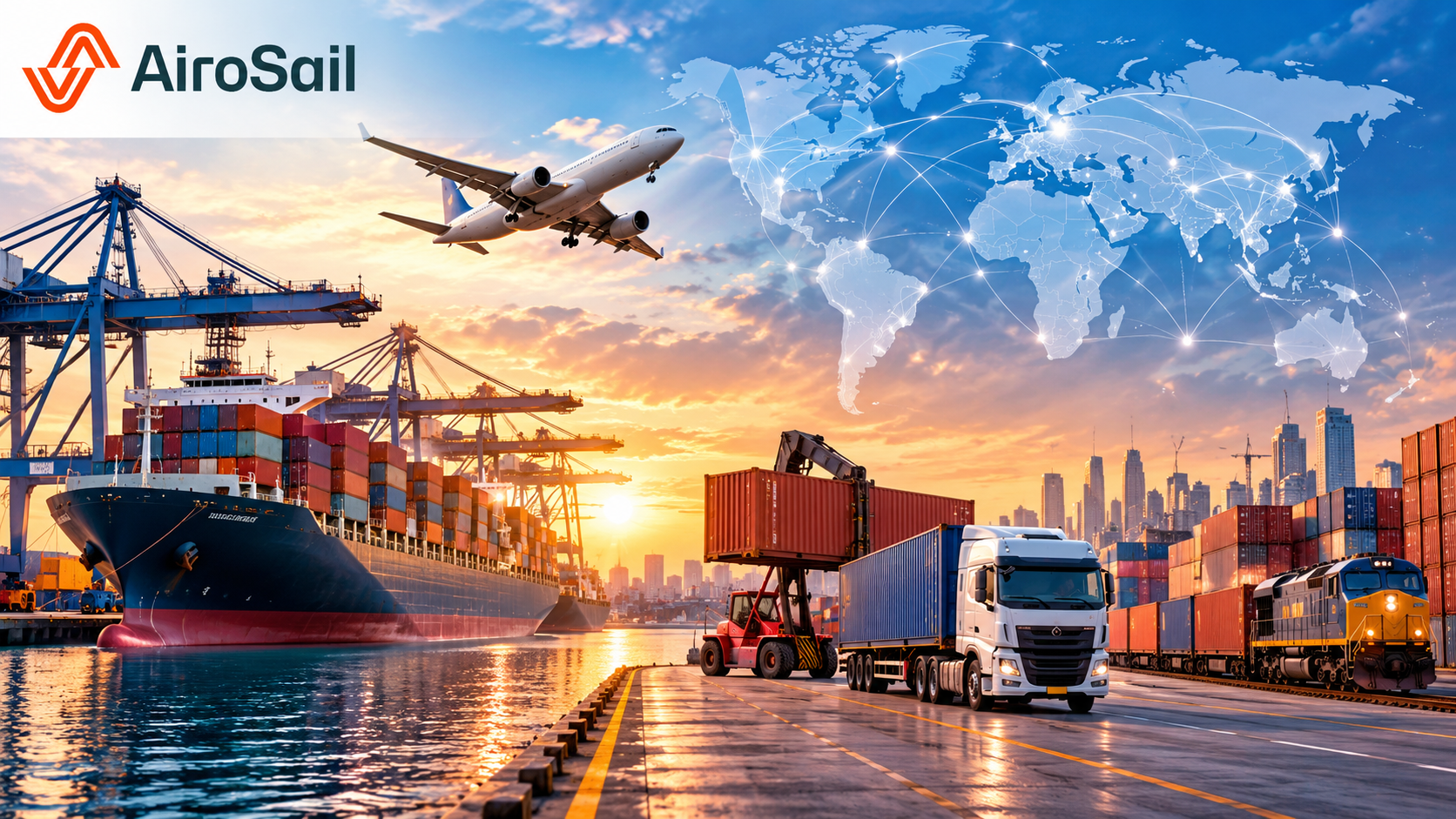
Modern supply chains connect businesses with suppliers, manufacturers, distributors, retailers, and customers across multiple countries. While international trade creates valuable opportunities for growth, moving goods across borders also involves transportation planning, documentation, customs procedures, carrier coordination, delivery scheduling, and risk management. For many businesses, managing all these activities internally can become complex and time-consuming.
This is where freight forwarders UK play an important role. Freight forwarders help businesses coordinate the movement of goods from one location to another by managing transportation arrangements and working with carriers, customs professionals, warehouses, and other logistics partners. Their role extends beyond simply arranging cargo transportation. They can become an important part of a company’s wider supply chain management strategy.
For UK importers, exporters, manufacturers, wholesalers, retailers, and e-commerce businesses, professional freight forwarding services UK can provide structured support for domestic and international shipments. By coordinating different elements of the logistics process, freight forwarders can help businesses improve shipment planning, communication, documentation, and visibility.
What Are Freight Forwarders UK?
A freight forwarder is a logistics specialist that arranges the transportation of goods on behalf of a business or other customer. Unlike a carrier, which physically transports cargo using its own or contracted transport capacity, a freight forwarder typically coordinates transportation by working with carriers and other logistics providers.
The responsibilities of a freight forwarder can vary depending on the shipment and service agreement. They may coordinate:
- Transportation bookings
- Shipping documentation
- Customs-related processes
- Cargo consolidation
- Warehousing and distribution
- Shipment tracking
- Delivery arrangements
- Communication between different logistics parties
Professional UK freight forwarders can therefore act as a central point of coordination between businesses and the various organisations involved in moving cargo internationally.
For companies dealing with overseas suppliers or customers, working with experienced freight forwarding companies UK can simplify the logistics process and reduce the administrative burden associated with international shipments.
The Changing Nature of Modern Supply Chain Management
Supply chain management has become increasingly interconnected. Businesses may source raw materials from one country, manufacture products in another, store inventory in a third location, and sell to customers across several international markets.
Several factors have contributed to this increasing complexity.
Global Sourcing
Businesses increasingly work with international suppliers to access products, materials, components, and manufacturing capabilities. This means supply chains may involve multiple borders and transportation stages.
Growth of E-Commerce
E-commerce has changed customer expectations around product availability, order processing, and delivery. Businesses must coordinate inventory and transportation effectively to meet customer requirements while managing costs.
Complex Customs Requirements
International shipments involve customs procedures and documentation. Incorrect or incomplete information can create delays and additional administrative challenges.
Multiple Transportation Modes
Modern international logistics can involve sea, air, road, and rail transportation. Selecting and coordinating appropriate modes is an important part of supply chain planning.
Demand for Shipment Visibility
Businesses increasingly want to know where their goods are, when they were dispatched, and when they are expected to arrive. Better visibility supports inventory planning and customer communication.
Supply Chain Disruptions
Port congestion, transportation disruptions, weather events, regulatory changes, capacity constraints, and unexpected delays can affect international logistics. Businesses therefore need flexible supply chain strategies and contingency planning.
These factors have increased the importance of professional international freight forwarding UK services.
Key Roles of Freight Forwarders in Supply Chain Management
Transportation Planning
One of the most important roles of freight forwarders is helping businesses organise suitable transportation arrangements.
The appropriate transport method can depend on factors such as:
- Cargo type
- Shipment size
- Destination
- Required delivery timeframe
- Budget
- Product sensitivity
- Origin and destination infrastructure
A freight forwarder can coordinate available options and help businesses select transportation arrangements appropriate to their requirements.
Depending on the shipment, this may involve sea freight UK, air freight UK, road transportation, rail, or a combination of different modes.
Multimodal Freight Coordination
International shipments do not always rely on one transportation method. A shipment might travel by road from a supplier to a port, by sea to another country, and then by road to its final destination.
Freight forwarders can coordinate these different stages and communicate with the relevant transport providers.
Multimodal transportation may provide businesses with greater flexibility when planning international logistics, particularly when different parts of a journey have different transportation requirements.
Customs Clearance and Documentation
Documentation is a critical part of international shipping. Depending on the shipment, businesses may need to provide commercial invoices, packing information, transport documents, customs declarations, and other relevant paperwork.
Customs clearance UK requirements can also vary according to the goods, origin, destination, applicable regulations, and trade arrangements.
Freight forwarders can support businesses by coordinating documentation and customs-related processes and helping ensure that the information required for a shipment is properly prepared.
Businesses should still understand their own legal and regulatory responsibilities, but professional logistics support can make the process easier to manage.
Shipment Consolidation
Not every business needs to move full loads. Smaller consignments can sometimes be consolidated with other compatible shipments, depending on the transportation arrangement.
Cargo consolidation can help businesses organise smaller shipments efficiently while reducing the need to arrange separate transportation for every consignment.
This can be particularly relevant for SMEs, wholesalers, retailers, and businesses that do not regularly ship large volumes.
Cargo Tracking and Visibility
Visibility has become an important part of modern supply chain management.
Businesses need reliable information about shipment progress so they can coordinate inventory, production, customer communication, and delivery planning.
Modern freight forwarding services may provide shipment status updates through digital systems, online platforms, email communication, or other tracking methods.
Better visibility can help businesses identify potential delays earlier and make more informed operational decisions.
Warehousing and Distribution Coordination
Freight forwarding can also connect transportation with warehousing and distribution requirements.
For example, a business may need goods collected from an international supplier, transported to the UK, stored temporarily, and then distributed to different customers or retail locations.
Freight forwarders can coordinate with warehouses, distribution partners, and transport providers to help organise these stages.
This integrated approach can be particularly useful for businesses with complex distribution networks.
Risk Management
International transportation involves various risks. These may include:
- Transportation delays
- Port congestion
- Documentation errors
- Customs issues
- Cargo damage
- Capacity shortages
- Route disruptions
- Weather-related interruptions
Freight forwarders can help businesses plan transportation routes, coordinate different logistics providers, monitor shipments, and develop practical alternatives when disruptions occur.
Although no logistics provider can eliminate every supply chain risk, structured planning and communication can help businesses respond more effectively when problems arise.
How Freight Forwarders UK Improve Supply Chain Efficiency
Professional freight forwarders UK can support supply chain efficiency in several ways.
Instead of a business independently communicating with shipping lines, airlines, hauliers, customs-related service providers, warehouses, and delivery partners, a freight forwarder can coordinate many of these activities through one logistics relationship.
Potential operational benefits include:
- Better shipment planning
- Reduced administrative workload
- More organised documentation
- Improved communication
- Easier coordination between transport providers
- Greater shipment visibility
- More structured delivery planning
- Better use of internal resources
For SMEs in particular, outsourcing certain logistics responsibilities can allow internal teams to focus more closely on procurement, sales, production, customer service, and business growth.
The Role of Technology in Modern Freight Forwarding
Technology is transforming the way freight forwarding and international logistics are managed.
Digital freight management systems can support areas such as shipment tracking, document management, communication, reporting, and transportation planning.
Some modern logistics operations use technologies including:
- Digital shipment tracking
- Online documentation
- Automated status notifications
- Transportation management systems
- Digital customs processes
- Data analytics
- Electronic communication platforms
For customers, technology can make it easier to access shipment information and communicate with logistics providers.
For freight forwarders, digital tools can help organise large amounts of shipment information and coordinate multiple logistics activities more efficiently.
However, technology works most effectively when combined with experienced logistics management. Digital visibility does not replace the need for knowledgeable people who can respond to operational issues and coordinate solutions.
Freight Forwarders and Supply Chain Resilience
Supply chain resilience refers to a business’s ability to prepare for, respond to, and recover from disruptions.
For companies involved in international trade, resilience can involve several areas of logistics planning.
Businesses can strengthen their supply chain approach by considering:
- Alternative transportation routes
- Multiple transportation modes
- Flexible delivery arrangements
- Supplier coordination
- Shipment visibility
- Contingency planning
- Clear communication procedures
Freight forwarders can support these activities by providing transportation options and coordinating logistics partners when circumstances change.
For example, if a particular route becomes unavailable or a shipment experiences an unexpected delay, a logistics provider may help explore alternative transportation arrangements where available.
This makes freight forwarding an important component of broader supply chain management UK strategies.
Choosing the Right Freight Forwarding Company in the UK
Selecting a freight forwarding partner requires careful consideration. Businesses should look beyond price and evaluate whether the provider can meet their operational requirements.
Important factors to consider include:
Industry Experience
Consider whether the freight forwarder understands your industry, cargo requirements, destinations, and typical logistics challenges.
International Network
International shipping often involves multiple countries and logistics partners. A provider with appropriate international connections can help coordinate different stages of a shipment.
Range of Services
Businesses may benefit from a freight forwarder offering multiple options, including air, sea, road, multimodal transportation, customs support, and related logistics services.
Customs Knowledge
Understanding customs processes is particularly important for international shipments. Ask about the provider’s experience with the destinations and types of goods you regularly handle.
Communication
Clear communication can make a significant difference when shipments change or unexpected issues arise. Businesses should consider how the provider communicates shipment updates and handles queries.
Tracking Capabilities
Shipment visibility can help businesses plan inventory and communicate with customers. Ask what tracking and reporting options are available.
Documentation Support
Accurate documentation is essential for international shipping. A capable logistics partner should have established processes for managing relevant shipping information.
Reliability and Customer Service
Businesses should consider references, service processes, communication standards, and the provider’s ability to support their particular logistics requirements.
For companies seeking professional international logistics UK support, Airo Sail Ltd can provide freight forwarding and logistics solutions designed around the practical requirements of businesses moving goods internationally.
Why Freight Forwarders Are Important for UK Importers and Exporters
For UK businesses involved in international trade, logistics is an important part of commercial operations. Delays, documentation problems, poor communication, or transportation issues can affect inventory availability, production schedules, customer relationships, and overall business planning.
Working with professional freight forwarding specialists can help businesses coordinate the many activities involved in international transportation.
This is particularly valuable for:
- UK importers
- Exporters
- Manufacturers
- Wholesalers
- Retailers
- E-commerce businesses
- Procurement teams
- Distributors
- Businesses entering international markets
Rather than managing every transportation arrangement independently, businesses can work with a logistics partner that understands international shipping processes and can coordinate different elements of the journey.
For growing businesses, this support can become an important part of building a more organised and scalable logistics operation.
Conclusion
The role of freight forwarders UK has evolved significantly as supply chains have become more international, interconnected, and technology-driven. Modern freight forwarding involves much more than arranging transportation. It can include shipment planning, carrier coordination, documentation, customs support, cargo consolidation, tracking, warehousing coordination, and risk management.
For UK businesses involved in importing or exporting, the right freight forwarding partner can provide practical support throughout the logistics process. By coordinating different transportation modes and logistics activities, freight forwarders can help businesses manage international shipping with greater structure and visibility.
Airo Sail Ltd supports businesses looking for professional freight forwarding and international logistics solutions. Whether you are an importer, exporter, manufacturer, retailer, wholesaler, or e-commerce business, understanding your logistics requirements is the first step towards developing an efficient transportation strategy.
Looking for dependable freight forwarding support? Contact Airo Sail Ltd to discuss your international shipping, cargo transportation, and logistics requirements and explore a solution suited to your business.
Frequently Asked Questions
1. What do freight forwarders UK do?
Freight forwarders UK coordinate the transportation of goods on behalf of businesses. Their services may include transportation planning, carrier coordination, documentation, customs support, cargo consolidation, tracking, warehousing coordination, and delivery arrangements.
2. Why are freight forwarders important for supply chain management?
Freight forwarders help coordinate different activities involved in moving goods internationally. This can reduce administrative complexity, improve communication, support shipment visibility, and help businesses organise transportation more efficiently.
3. How do UK freight forwarders support international shipping?
UK freight forwarders can coordinate air, sea, road, rail, or multimodal transportation depending on the shipment. They may also support documentation, customs processes, cargo tracking, and delivery coordination.
4. Can freight forwarders help with customs clearance?
Many freight forwarders provide customs-related support or coordinate with customs specialists. Businesses should confirm the exact customs services offered by their chosen provider and understand their own import and export responsibilities.
5. What types of freight can UK freight forwarders handle?
Depending on the provider, freight forwarders may handle commercial cargo transported by air, sea, road, rail, or multimodal services. Specific capabilities can vary according to cargo type, size, destination, and regulatory requirements.
6. How do freight forwarders improve supply chain visibility?
Freight forwarders can provide shipment tracking, status updates, documentation information, and communication throughout the transportation process. These tools can help businesses monitor shipments and plan their operations.
7. How can businesses choose the right freight forwarding company in the UK?
Businesses should consider industry experience, international coverage, transportation options, customs knowledge, communication, tracking capabilities, documentation support, customer service, and the provider’s ability to handle their specific cargo requirements.
8. Do freight forwarders handle air, sea, and road freight?
Many freight forwarding companies coordinate multiple transportation modes, including air freight, sea freight, and road freight. The available services depend on the provider and the specific requirements of each shipment.
9. How do freight forwarders help reduce supply chain risks?
Freight forwarders can support risk management through transportation planning, route coordination, shipment monitoring, alternative logistics arrangements, and communication when disruptions occur. They cannot eliminate every supply chain risk.
10. Why should UK businesses use professional freight forwarding services?
Professional freight forwarding services can help businesses manage the complexity of international transportation, documentation, customs processes, carrier coordination, and shipment tracking while allowing internal teams to focus on their core business activities.