
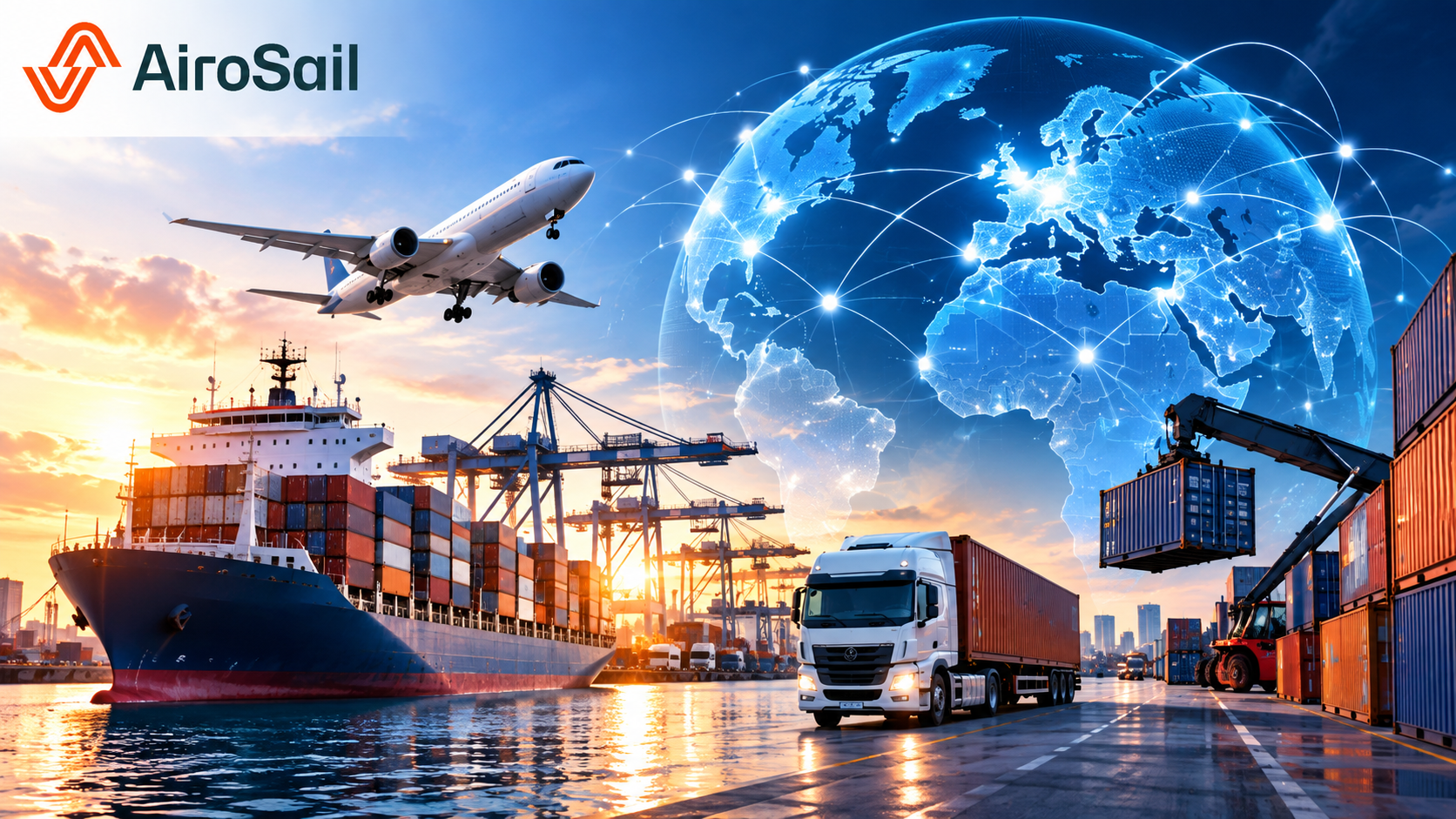
International shipping has changed significantly in recent years. Businesses now expect faster communication, better visibility and more reliable delivery information. Technology is helping the freight sector meet these expectations.
Modern international freight forwarding services use digital tools to manage many parts of the shipping process. These tools can support booking, documentation, shipment tracking, communication and data management. They also help businesses make informed decisions when moving goods across borders.
For companies that trade internationally, this shift can make global logistics easier to manage. It can also improve coordination between suppliers, carriers, customs teams and customers.
Digital Booking Is Making Freight Management Simpler
Booking freight used to involve long email chains, phone calls and manual paperwork. Digital systems are changing this process. Businesses can now submit shipment details, request quotations and manage bookings through online platforms.
This can reduce delays caused by manual communication. It also gives businesses a clearer record of shipment information. When several shipments are moving at the same time, having information in one place can make daily freight management more efficient.
For international freight forwarding companies, digital booking tools can also improve internal workflows. Staff can access shipment details more quickly and spend less time managing routine administrative tasks.
Real-Time Tracking Improves Shipment Visibility
Shipment visibility is one of the biggest benefits of modern logistics technology. Businesses want to know where their goods are and whether a shipment is progressing as expected.
Tracking platforms can provide updates throughout the journey. Depending on the transport method and technology used, businesses may receive information about shipment milestones, estimated arrival times and changes to delivery schedules.
This visibility can help companies plan warehouse operations, production schedules and customer deliveries. If a shipment faces a delay, early information gives the business more time to respond.
For international trade, where goods can travel through several countries and transport networks, better visibility can be especially valuable.
Automated Documentation Reduces Manual Work
International freight involves important documents. These may include commercial invoices, packing lists, shipping instructions and customs-related information. Errors or missing details can create unnecessary delays.
Technology is helping freight forwarders manage documentation more efficiently. Digital document systems allow information to be stored, shared and checked electronically. Automated processes can also reduce the need to enter the same information several times.
This can lower the risk of simple administrative mistakes. It can also make it easier for different parties to access the documents they need.
For businesses working with international freight forwarding services, efficient document management can support smoother communication throughout the shipping process.
Data Helps Businesses Make Better Freight Decisions
Freight forwarding generates a large amount of data. Information about routes, transit times, shipment volumes, and delivery performance can reveal useful patterns.
Modern logistics platforms can organise this information and turn it into practical insights. Businesses can use these insights to review their shipping performance and identify areas that may need improvement.
For example, shipment data may show that a particular route regularly experiences delays. A business can then review alternative routes or transport options.
Data can also help companies understand their shipping activity over time. This supports better planning and can help businesses respond to changing demand.
Artificial Intelligence Is Supporting Smarter Logistics
Artificial intelligence is becoming increasingly relevant to the logistics sector. AI-powered systems can process large amounts of information and identify patterns that may be difficult to spot manually.
In freight forwarding, this technology can support areas such as demand forecasting, route planning, risk assessment and shipment management.
AI does not remove the need for human expertise. International shipping still involves regulations, commercial decisions and unexpected events. Instead, AI can give logistics professionals better information to support those decisions.
This combination of technology and human knowledge can create a more responsive freight management process.
Cloud Platforms Improve Communication
International shipments involve many stakeholders. A single movement of goods may involve a supplier, exporter, freight forwarder, carrier, customs team, warehouse and final customer.
Cloud-based systems can help connect these parties. Instead of relying on separate records, authorised users can access shared information through digital platforms.
This can improve communication and reduce the risk of outdated information being passed between teams.
For UK freight forwarding companies, cloud technology can also make it easier to coordinate international shipments while keeping customers informed about important updates.
Technology Is Supporting Better Customer Service
Customers expect clear communication. They want timely updates, accurate information and quick answers when something changes.
Digital freight platforms can improve the customer experience by making shipment information easier to access. Automated notifications can provide updates about important milestones. Online systems can also reduce the need for customers to request routine information manually.
However, technology works best when it supports good customer service rather than replacing it. Complex shipping issues often require an experienced professional who can understand the situation and explain the available options.
A strong freight forwarding service therefore combines digital convenience with human support.
Technology Can Help Manage Shipping Risks
International logistics can face many risks. Weather events, port congestion, customs issues, capacity shortages and unexpected route changes can affect shipments.
Technology can help businesses identify and respond to some of these risks. Tracking systems can highlight delays, while data tools can help businesses monitor shipment performance and identify potential problems.
Some platforms can also provide alerts when certain conditions change. Earlier information can give businesses more time to adjust their plans.
Technology cannot prevent every disruption. It can, however, improve visibility and support faster responses when problems occur.
Sustainable Freight Management Is Becoming More Data-Driven
Environmental concerns are also influencing logistics decisions. Businesses are looking for ways to understand and reduce the environmental impact of their supply chains.
Digital tools can help companies compare transport options, review shipment patterns and assess logistics performance. Better data can support decisions about consolidation, routing and transport methods.
For example, combining suitable shipments may help reduce unnecessary journeys. Choosing an appropriate transport method can also support more efficient resource use.
As sustainability becomes a larger part of supply-chain planning, reliable logistics data will become increasingly important.
Human Expertise Still Matters
Technology is changing freight forwarding, but it does not make professional expertise less important.
International shipments can involve complex customs requirements, different regulations, multiple transport modes and unexpected changes. Digital systems can provide information, but experienced freight professionals are needed to interpret that information and guide customers through difficult situations.
The most effective approach is often a combination of both. Technology can handle repetitive processes and provide better visibility, while experienced professionals can manage decisions that require judgement and knowledge.
Businesses should therefore look beyond digital features when choosing a freight forwarding partner. They should also consider communication, industry knowledge, international networks and the ability to manage unexpected situations.
Choosing a Technology-Enabled Freight Forwarding Partner
When selecting a freight forwarding provider, businesses should ask how technology is used throughout the shipping process.
Useful questions include:
- Can customers track shipments online?
- How are important documents managed?
- How quickly are customers notified about delays?
- Is shipment information available in one place?
- How does the company use data to improve logistics planning?
- Can the provider support different transport methods and international routes?
- Is there direct access to experienced freight professionals when issues arise?
A provider that combines modern systems with practical expertise can offer a more connected approach to international shipping.
Companies such as Airo Sail Ltd can support businesses looking for professional freight forwarding solutions while recognising the importance of clear communication and effective shipment management.
The Future of International Freight Forwarding
Technology will continue to influence how international logistics operates. Artificial intelligence, automation, connected tracking systems, cloud platforms and data analytics are likely to become more closely integrated.
The future of freight forwarding is not simply about making processes digital. It is about creating a more connected supply chain where information moves quickly between the people and systems responsible for a shipment.
Businesses that understand and use these developments can improve their ability to monitor shipments, respond to disruption and plan international logistics more effectively.
Conclusion
Technology is transforming international freight forwarding services by improving visibility, communication, documentation and decision-making. Digital booking systems can simplify routine processes, while tracking platforms provide better shipment visibility. Data analytics and artificial intelligence can also help businesses understand logistics performance and respond to changing conditions.
Yet technology is only one part of effective freight management. Human expertise remains essential when shipments involve complex regulations, unexpected delays or important commercial decisions.
The freight forwarders of the future will need to combine reliable technology with strong industry knowledge and responsive customer support. For businesses involved in global trade, choosing a forwarder with both digital capabilities and practical expertise can help create a smoother and more informed shipping experience.