
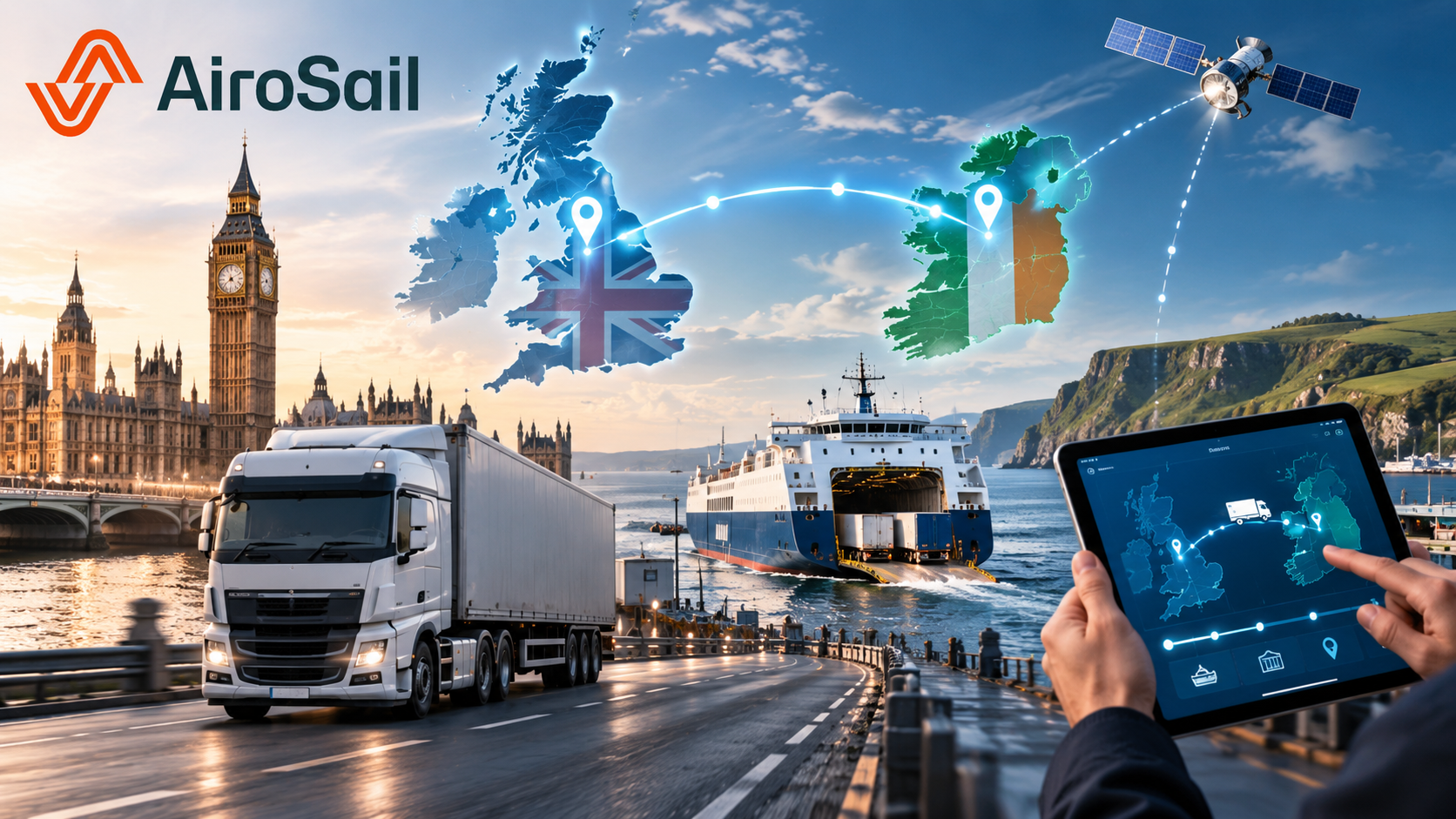
Moving goods between the UK and Ireland requires careful planning, clear communication and reliable delivery information. For businesses, knowing where a shipment is can be just as important as knowing when it will arrive. Delays, route changes and unexpected transport issues can affect stock levels, customer service and daily operations.
Digital tracking is changing how businesses manage international freight. Modern tracking tools can provide shipment updates, delivery milestones and useful information throughout the journey. This gives businesses greater visibility and helps them respond faster when circumstances change.
For companies arranging UK freight, better visibility can make the entire transport process easier to manage. It can also improve communication between freight providers, suppliers, customers and internal teams.
Why Freight Visibility Matters
Freight does not stop being important once goods leave a warehouse. Businesses still need to know whether a shipment has been collected, where it is moving and whether it remains on schedule.
Traditional freight updates may depend on phone calls, emails or manual status checks. These methods can work, but they may not provide information quickly enough when a shipment is time-sensitive.
Digital tracking creates a more connected process. Businesses can receive updates as a shipment moves through key stages. This can help logistics teams understand the current position of goods without repeatedly requesting updates.
For UK freight, this visibility can support better planning. When businesses have clearer information, they can make informed decisions about stock, staffing, warehouse space and customer communication.
How Digital Tracking Works
Digital freight tracking brings together information from transport systems, location technology and logistics platforms. Depending on the service, a tracking system may show collection details, transport progress, estimated arrival information and delivery confirmation.
Some systems can also provide alerts when a shipment reaches a particular stage. This means businesses do not always need to monitor a shipment manually.
For UK to Ireland freight, this can be especially useful because shipments may involve several stages. Goods can move from a supplier or warehouse to a collection point, through the transport network and onwards to their final Irish destination.
A central tracking system can bring these updates together. This creates a clearer view of the shipment journey.
Better Planning for UK-to-Ireland Shipments
One of the main advantages of digital tracking is improved planning. Businesses often need to coordinate freight with production schedules, customer orders and warehouse operations.
A delayed shipment can create a chain reaction. Materials may arrive late. A production schedule may need to change. Customers may need to be contacted. Warehouse teams may need to adjust their plans.
Digital tracking can give businesses earlier visibility of these changes. If a shipment is not progressing as expected, the logistics team can review the situation and consider the next step.
This does not remove the possibility of delays. Instead, it gives businesses better information with which to manage them.
For regular UK-to-Ireland freight, this can become an important part of day-to-day logistics planning.
Improving Communication with Customers
Customers want clear and accurate information about their orders. Vague delivery updates can lead to uncertainty and unnecessary enquiries.
Digital tracking can make communication more precise. Businesses can use available shipment information to provide customers with meaningful updates rather than simply saying that goods are “in transit”.
This can improve the customer experience.
For example, if a delivery has been collected and is progressing towards its destination, the business may be able to provide a more useful update. If there is an unexpected delay, the business can communicate the issue sooner.
Reliable communication can also help businesses build trust with their customers.
Supporting Faster Responses to Delays
Freight delays can happen for many reasons. Traffic, weather, operational issues and transport disruption can all affect delivery schedules.
The value of digital tracking is not that it prevents every problem. Its value is that it can make problems easier to identify.
When a shipment status changes, logistics teams can assess the situation and decide whether action is required. They may need to contact the freight provider, update a customer or adjust warehouse planning.
This is particularly useful for businesses that depend on reliable UK freight services to keep their operations moving.
Helping Freight Teams Work More Efficiently
Freight management involves many tasks. Teams may need to monitor shipments, answer customer questions, check delivery progress and maintain records.
Manual tracking can take time. Repeated calls and emails can also create unnecessary administration.
Digital systems can reduce some of this workload by bringing shipment information into one accessible platform. Teams can spend less time searching for basic status updates and more time managing issues that require human attention.
For UK freight forwarding companies, digital visibility can also support smoother communication with customers. Clear tracking information can help reduce uncertainty and improve the overall management of shipments.
Supporting Better Supply Chain Decisions
Tracking information can become more valuable when businesses look beyond individual deliveries.
Over time, shipment data can help companies identify patterns. They may notice that certain routes take longer, that specific delivery periods create challenges, or that particular shipment types need additional planning.
This information can support better supply chain decisions.
Businesses can use these insights when reviewing transport schedules, warehouse processes and delivery expectations. Instead of relying only on assumptions, they can consider actual shipment information.
This makes digital tracking more than a simple location tool. It can become part of a wider logistics management process.
Greater Visibility Across the UK and Ireland
International freight involves coordination between different locations and teams. A shipment may be collected in one part of the UK before travelling through several transport stages and reaching a customer in Ireland.
Having visibility across the journey can make coordination easier.
This is one reason technology has become increasingly relevant to freight companies and UK businesses that use it for domestic and international transport. Customers expect clear information, while businesses need dependable systems to manage increasingly complex supply chains.
Digital tracking helps create a shared view of freight progress. When the right information is available to the relevant people, communication can become faster and more organised.
What Businesses Should Look for in a Tracking System
Not every tracking system offers the same level of visibility. Businesses should consider how much information they actually need and how easily their teams can access it.
Useful features may include shipment status updates, estimated delivery information, milestone notifications and delivery confirmation. A simple interface can also make a difference because tracking information is only useful when people can understand and act on it.
Businesses should also consider how tracking fits into their wider logistics process.
The aim should not be to use technology simply because it is available. The technology should help solve a real business need, such as improving communication, reducing administration or supporting delivery planning.
The Role of Freight Forwarding Companies
Technology works best when combined with strong logistics management. Tracking can show what is happening to a shipment, but experienced freight professionals are still important when decisions need to be made.
Businesses often work with UK freight forwarding companies to manage transport arrangements, documentation, routing and communication. A forwarding partner with effective digital systems can provide both visibility and practical support.
This combination can be valuable for businesses that send goods regularly between the UK and Ireland. They can benefit from technology while still having access to professional guidance when a shipment requires attention.
Companies such as Airo Sail Ltd can support businesses with freight requirements while helping them manage the practical demands of moving goods.
Preparing for the Future of Freight Visibility
Digital tracking is likely to remain an important part of modern freight management. As logistics technology develops, businesses can expect greater access to shipment information and more connected systems.
The future of freight visibility is not only about seeing where a vehicle or shipment is. It is also about using information to improve planning, communication and decision-making.
For businesses moving goods between the UK and Ireland, this can create a more transparent logistics process. Better information can help teams understand what is happening, respond to changes and keep customers informed.
Conclusion
Digital tracking is making freight visibility more practical and accessible for modern businesses. By providing timely shipment information, it can support better planning, clearer customer communication and faster responses to unexpected changes.
For companies using UK-to-Ireland freight, visibility can be particularly valuable when several transport stages need to be coordinated. Tracking does not eliminate every freight challenge, but it gives businesses better information to manage those challenges.
As supply chains become more connected, digital visibility will continue to play an important role. When supported by experienced logistics professionals and suitable technology, it can help businesses manage freight with greater clarity from collection through to final delivery.