
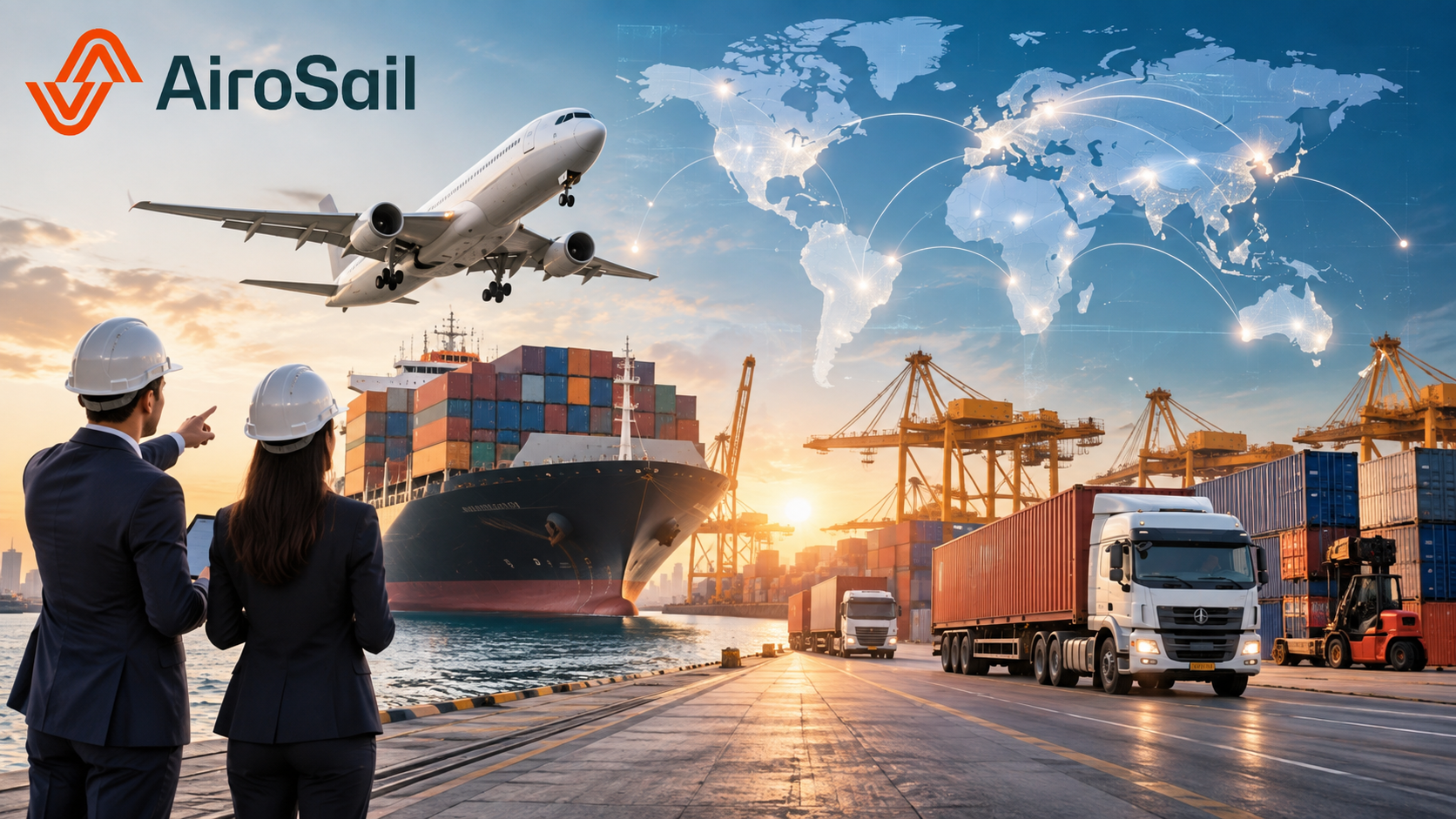
International trade creates enormous opportunities for businesses, but moving goods across borders is rarely as simple as arranging transportation from one country to another. Importers and exporters must coordinate carriers, documentation, customs procedures, cargo handling, delivery schedules, and regulatory requirements—often across several countries and time zones.
A delay in one part of the process can affect inventory, production schedules, customer deliveries, and ultimately business revenue. This is why choosing experienced and reliable freight forwarders UK can make a significant difference.
Professional freight forwarders help businesses coordinate the complex stages of international shipping while providing greater visibility, logistical expertise, and support. Whether a company regularly imports raw materials, exports finished products, or is expanding into new international markets, the right freight forwarding partner can simplify global trade and make supply chains more manageable.
For businesses working with international suppliers and customers, AiroSail provides freight forwarding support designed around the practical requirements of global logistics.
1. What Are Freight Forwarders and What Do They Do?
A freight forwarder is a logistics professional or company that arranges the movement of goods from one location to another on behalf of a shipper.
Rather than simply transporting cargo themselves, freight forwarders coordinate different elements of the shipping process. Depending on the shipment and service arrangement, this can include working with shipping lines, airlines, road carriers, warehouses, customs professionals, and other logistics providers.
Typical freight forwarding activities may include:
- Planning transportation routes
- Arranging air, sea, road, or rail freight
- Preparing and coordinating shipping documentation
- Supporting customs clearance processes
- Coordinating cargo collection and delivery
- Organising cargo handling and warehousing
- Consolidating shipments where appropriate
- Providing shipment status updates
- Coordinating different transport providers
- Assisting with logistics issues and exceptions
This coordination becomes particularly valuable when goods cross multiple borders or require several transportation methods.
Instead of managing every logistics provider separately, a business can work with a freight forwarding partner that helps coordinate the wider movement of its cargo.
2. Why Reliable Freight Forwarders UK Matter for Global Trade
International shipping involves many moving parts. Even when a business has experienced logistics staff, managing carriers, customs requirements, documentation, schedules, and overseas partners can become time-consuming.
Reliable freight forwarders UK can help businesses simplify this process by acting as a central logistics partner.
Coordinating International Shipments
Freight forwarders can coordinate the movement of cargo from the supplier or warehouse through to its destination. This may involve several carriers and transportation stages.
Effective coordination helps reduce communication gaps between different parties involved in a shipment.
Reducing Shipping Complications
International freight can involve changing schedules, documentation requirements, transshipment points, port procedures, and delivery arrangements.
An experienced forwarding partner can help identify potential issues and coordinate solutions before they become larger operational problems.
Supporting Customs Requirements
Customs procedures are an important part of international trade. Incorrect or incomplete documentation can cause delays and additional costs.
Freight forwarding professionals can support businesses with the documentation and customs coordination required for their shipments.
Improving Supply-Chain Visibility
Knowing where goods are and whether a shipment is progressing according to schedule helps businesses make better decisions.
Tracking and regular communication can provide greater visibility across the logistics process.
Controlling Logistics Costs
Freight costs are influenced by factors such as cargo volume, weight, route, transportation method, timing, and handling requirements.
A freight forwarder can help businesses evaluate available options and select an approach that balances cost, transit time, and operational requirements.
3. Expertise in UK Customs and International Regulations
Customs compliance is one of the areas where international shipping can become particularly complicated.
Businesses importing or exporting goods may need to deal with customs declarations, commodity classifications, duties, taxes, trade requirements, and supporting documentation. Requirements can also vary depending on the goods, destination, origin, and nature of the transaction.
Professional freight forwarding support can help businesses coordinate these requirements and reduce the likelihood of avoidable documentation errors.
Why Accurate Documentation Matters
Depending on the shipment, documentation may include commercial invoices, packing information, transport documents, customs declarations, certificates, and other paperwork.
Errors involving product descriptions, commodity codes, values, quantities, or country-of-origin information can create complications.
Businesses should also understand that a freight forwarder does not automatically remove the importer’s or exporter’s legal responsibilities. The exact customs obligations depend on the transaction and applicable regulations.
A knowledgeable logistics partner can, however, help businesses understand the processes involved and coordinate with the appropriate customs parties.
4. Access to Multiple Transportation Options
Different shipments require different logistics solutions. There is no single transportation method that is ideal for every business or every cargo movement.
Experienced freight forwarding companies can coordinate several transportation options, including:
Air Freight
Air freight is generally suited to shipments where speed is an important consideration. It can be useful for urgent goods, high-value products, samples, or time-sensitive inventory.
The trade-off is that air freight is typically more expensive than many sea or surface transportation options.
Sea Freight
Sea freight is commonly used for larger or heavier international shipments. It can provide a practical option when transit time is less critical and businesses need to move substantial cargo volumes.
Road Freight
Road transportation plays an important role in domestic and cross-border logistics, including first-mile and last-mile movements connected to international shipments.
Rail Freight
Rail can be an option for certain international and regional supply chains, depending on the origin, destination, cargo, infrastructure, and required transit time.
Multimodal Transportation
Some shipments require more than one mode of transport. For example, cargo might travel by road to a port, by sea to another country, and then by road again to its final destination.
Freight forwarders can help coordinate these different stages so that the overall journey works as a connected logistics process.
5. Cost Efficiency and Better Shipping Management
International logistics costs involve much more than the headline freight rate.
Businesses may also need to consider handling, storage, customs-related costs, documentation, delivery, insurance, and potential charges resulting from delays or operational problems.
A freight forwarding partner can help businesses assess the overall logistics picture.
Potential cost-management strategies may include:
- Selecting appropriate transportation methods
- Comparing available routes
- Consolidating compatible shipments
- Planning shipments around operational requirements
- Reducing unnecessary handling
- Coordinating collection and delivery schedules
- Improving shipment planning
- Identifying avoidable logistics charges
For example, a business shipping smaller quantities regularly may benefit from shipment consolidation where commercially and operationally appropriate.
The objective should not simply be to choose the cheapest freight option. A lower initial rate may not represent the best overall value if it results in longer transit times, additional handling, or reduced reliability.
6. Faster and More Reliable International Deliveries
For many businesses, delivery reliability is just as important as transportation cost.
Late shipments can create a chain reaction. Manufacturers may experience production interruptions, retailers may face inventory shortages, and e-commerce businesses may struggle to meet customer expectations.
Reliable freight forwarders help coordinate different stages of transportation and keep relevant parties informed when schedules change.
Good logistics planning can involve:
- Selecting suitable routes
- Coordinating collection times
- Matching transport modes to shipment requirements
- Preparing documentation in advance
- Monitoring shipment progress
- Managing connections between transportation stages
- Responding to delays or exceptions
While no logistics provider can eliminate every possible disruption, professional coordination can help businesses prepare for and manage many common shipping challenges.
7. Cargo Tracking and Supply-Chain Visibility
Visibility has become increasingly important in modern supply-chain management.
Businesses need to know whether goods have been collected, dispatched, transferred, cleared, or delivered. This information can influence inventory planning, warehouse operations, production, sales, and customer communication.
Reliable freight forwarding services may provide shipment tracking and regular status updates, depending on the service and transport providers involved.
Better visibility allows businesses to:
- Plan inventory more effectively
- Prepare warehouses for incoming goods
- Update customers when necessary
- Identify potential delays earlier
- Coordinate production schedules
- Make more informed logistics decisions
For businesses managing multiple international shipments, centralised communication can also make logistics administration considerably easier.
8. Risk Management and Cargo Protection
International cargo can face a variety of risks during transportation, including handling damage, delays, loss, documentation problems, weather-related disruption, and other unforeseen events.
Freight forwarders can help businesses consider these risks when planning shipments.
Depending on the service, this may include coordinating suitable packaging and handling requirements, selecting appropriate transportation arrangements, and helping businesses understand available cargo insurance or claims procedures.
Businesses should distinguish between a freight forwarder’s responsibilities and the terms of any cargo insurance policy. Insurance coverage, exclusions, limits, and claims procedures vary, so these should be reviewed carefully before shipping.
Good risk management begins with planning rather than reacting after a problem occurs.
9. How Freight Forwarders Support Growing Businesses
As a business grows internationally, its logistics requirements can become increasingly complex.
A company that initially manages a few overseas shipments may eventually need to coordinate:
- Multiple suppliers
- Several international destinations
- Larger shipment volumes
- Different transport modes
- Customs processes
- Warehousing
- Regular delivery schedules
- Customer-specific requirements
Managing every element internally may require significant time, systems, expertise, and staff.
Outsourcing appropriate logistics activities to an experienced freight forwarding partner can allow businesses to focus more on their core operations while benefiting from specialist logistics coordination.
For SMEs in particular, access to professional international logistics expertise can be valuable when entering new markets without building an entire freight-management operation internally.
10. How to Choose Reliable Freight Forwarders UK
Selecting a freight forwarding partner should involve more than comparing prices.
Businesses should evaluate whether a provider understands their products, destinations, shipping volumes, timelines, and compliance requirements.
Here is a practical checklist to consider.
Industry Experience
Look for experience handling shipments similar to yours. Different industries can have different cargo-handling, documentation, and transportation requirements.
International Network
Consider the provider’s ability to coordinate shipments across your key origin and destination markets.
Customs Knowledge
A strong understanding of customs processes and international trade requirements is important for reducing avoidable documentation and compliance issues.
Range of Freight Services
Check whether the provider can arrange the transportation methods your business needs, such as air freight, sea freight, road freight, rail freight, or multimodal solutions.
Tracking and Communication
Ask how shipment updates are provided and who you should contact if a shipment encounters a problem.
Transparent Pricing
Request clear quotations and understand what is included, excluded, and potentially chargeable separately.
Reputation and Customer Reviews
Research the company’s reputation and, where available, consider relevant customer feedback and references.
Cargo-Handling Capabilities
Make sure the provider can appropriately handle your cargo type, volume, packaging requirements, and any special considerations.
Customer Support
International shipments do not always operate according to plan. Responsive support can be particularly valuable when urgent decisions are required.
Ability to Meet Your Specific Requirements
The right freight forwarder should understand your business model rather than offering a generic solution.
Before making a decision, businesses should discuss their typical shipments, routes, cargo characteristics, expected volumes, delivery requirements, and any recurring logistics challenges.
11. The Long-Term Value of a Reliable Freight Forwarding Partner
A good freight forwarder can become more than a company that arranges transportation.
Over time, a reliable logistics partner can become an extension of a business’s supply-chain operation, helping improve shipping processes as international activity grows.
A strong partnership can contribute to:
- More organised international shipping
- Better supply-chain visibility
- Improved logistics planning
- More consistent communication
- Greater operational flexibility
- Better management of international shipments
- Support for expansion into new markets
This relationship becomes particularly valuable when a business’s shipping requirements change.
For example, an organisation may begin with occasional sea freight shipments and later require a combination of air freight, road transportation, warehousing, customs coordination, and regular international distribution.
Having a freight forwarding partner that understands the business can make that transition easier to manage.
Frequently Asked Questions
1. What does a freight forwarder do in the UK?
A freight forwarder coordinates the movement of goods on behalf of businesses. Services can include arranging transportation, coordinating documentation, supporting customs processes, organising cargo handling, tracking shipments, and managing communication between different logistics providers.
2. Why should businesses use freight forwarders UK?
Businesses can use freight forwarders to simplify international shipping, coordinate multiple transportation providers, support customs processes, improve shipment visibility, manage logistics costs, and reduce the administrative burden associated with global trade.
3. How do freight forwarders help with customs clearance?
Freight forwarders can help coordinate customs documentation and work with relevant customs professionals or agents. They can also help identify the information required for a shipment. However, businesses remain responsible for meeting their applicable legal and customs obligations.
4. Which transportation methods can UK freight forwarders arrange?
Depending on the provider, freight forwarding services may include air freight, sea freight, road freight, rail freight, and multimodal transportation. The appropriate option depends on factors such as cargo type, destination, urgency, and budget.
5. How can a freight forwarder reduce international shipping costs?
A freight forwarder may help businesses evaluate routes, transportation methods, shipment consolidation opportunities, and overall logistics arrangements. Cost savings depend on the specific shipment and should be evaluated against transit time, reliability, handling, and other associated costs.
6. What should businesses look for when choosing a UK freight forwarder?
Businesses should consider industry experience, customs knowledge, international coverage, available freight services, shipment tracking, pricing transparency, reputation, cargo-handling capabilities, customer support, and the provider’s ability to meet their specific logistics requirements.
Conclusion: Choosing the Right Freight Forwarders UK for Global Trade
Global trade depends on much more than moving goods from one country to another. Businesses must coordinate transportation, documentation, customs, cargo handling, delivery schedules, and communication while managing costs and operational risks.
This is where reliable freight forwarders UK can provide significant value.
The right freight forwarding partner can help businesses organise international shipments, navigate complex logistics processes, improve visibility, manage transportation options, and respond more effectively when challenges arise.
For importers, exporters, manufacturers, retailers, wholesalers, e-commerce companies, and growing SMEs, investing time in choosing the right logistics partner can support smoother day-to-day operations and long-term international growth.
AiroSail can help businesses approach international freight forwarding with a practical, coordinated logistics strategy. If your company is reviewing its current shipping arrangements or planning to expand its international trade activities, evaluating your freight forwarding requirements is a useful first step toward building a more efficient and resilient supply chain.